More About This Card
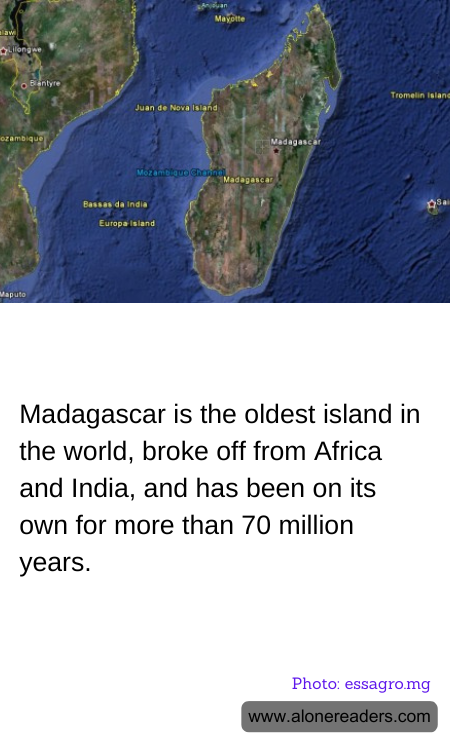
Madagascar, often referred to as the "eighth continent," is a fascinating island with a unique geological and biological history. It is the oldest island in the world, having broken away from the supercontinent Gondwana around 88 million years ago. This separation from Africa and later from the Indian subcontinent has allowed Madagascar to evolve in splendid isolation, resulting in a rich tapestry of biodiversity that is found nowhere else on Earth.
The island's journey began when it split from the African continent, a process that took millions of years. This separation was part of the larger breakup of Gondwana, which also led to the formation of other landmasses. Madagascar's drift continued as it moved away from India, eventually settling into its current position in the Indian Ocean. This prolonged isolation, lasting more than 70 million years, has given rise to an extraordinary array of flora and fauna, with over 90% of its wildlife being endemic.
Madagascar's unique evolutionary path has led to the development of species that are both rare and remarkable. The island is home to the iconic lemurs, which are found nowhere else in the world. These primates have diversified into numerous species, each adapted to different ecological niches across the island. Additionally, Madagascar boasts a plethora of other unique creatures, such as the fossa, a carnivorous mammal, and the chameleon, which is represented by more than half of the world's species.
The island's plant life is equally diverse and distinctive. Madagascar is renowned for its baobab trees, which have become emblematic of the island's landscape. These ancient trees, with their massive trunks and unique silhouettes, are just one example of the island's botanical wonders. The island's rainforests, dry deciduous forests, and spiny thickets host a myriad of plant species, many of which are used by local communities for medicinal purposes.
Despite its natural wealth, Madagascar faces significant environmental challenges. Deforestation, driven by agriculture, logging, and charcoal production, threatens the island's ecosystems. Conservation efforts are crucial to preserving Madagascar's unique biodiversity. Organizations and local communities are working together to protect habitats and promote sustainable practices, ensuring that future generations can continue to marvel at the island's natural wonders.
Madagascar's ancient origins and prolonged isolation have made it a living laboratory of evolution, offering invaluable insights into the processes that shape life on Earth. Its rich biodiversity and unique landscapes make it a treasure trove for scientists and nature enthusiasts alike. As we continue to explore and understand this remarkable island, it serves as a reminder of the intricate connections between geology, evolution, and conservation.