More About This Card
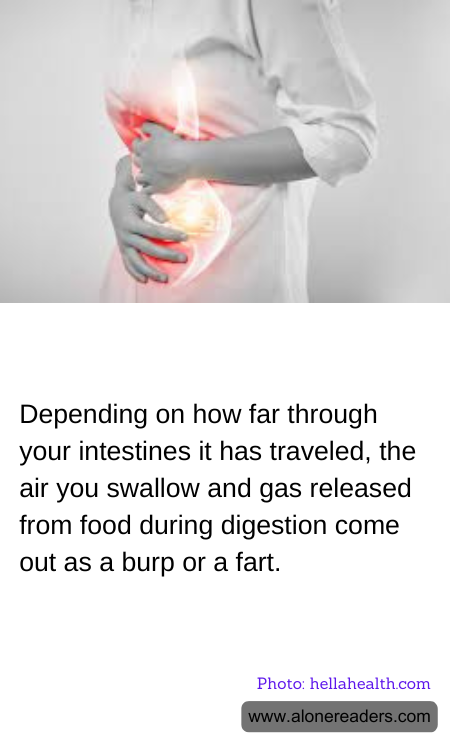
The human digestive system is a complex network that performs the vital task of breaking down food and absorbing nutrients. An often overlooked but fascinating aspect of this process is the production and release of gas. Depending on how far through the intestines the air has traveled, it can exit the body as either a burp or a fart. Understanding this process not only demystifies a common bodily function but also highlights the intricate workings of our digestive system.
When we eat or drink, we inevitably swallow some air along with our food. This air, composed primarily of nitrogen and oxygen, accumulates in the stomach. As the stomach churns and processes the food, it releases gases. If the air remains in the upper part of the digestive tract, it is expelled through the mouth as a burp. This is a natural way for the body to relieve the pressure and discomfort caused by the buildup of gas in the stomach. Burping is a normal part of digestion and is often more frequent after consuming carbonated beverages or eating quickly, which increases the amount of air swallowed.
As food continues its journey through the digestive tract, it enters the small intestine, where most nutrient absorption occurs. Here, the digestive process involves breaking down food with the help of enzymes and bile. This process can produce gases such as hydrogen, carbon dioxide, and, in some cases, methane. These gases are byproducts of the fermentation of undigested food by bacteria in the large intestine. If the gas travels further down the digestive tract, it is eventually released from the body as a fart. This is a normal and healthy part of digestion, as it indicates that the intestines are functioning properly and that the body is efficiently processing food.
The composition of intestinal gas can vary based on diet, health, and individual digestive processes. Foods high in fiber, such as beans, lentils, and certain vegetables, are known to produce more gas because they contain complex carbohydrates that are not fully digested in the small intestine. Instead, they reach the large intestine, where bacteria break them down, releasing gas as a byproduct. While this can lead to increased flatulence, it is also a sign of a healthy diet rich in fiber, which is essential for maintaining good digestive health.
In conclusion, the air we swallow and the gas produced during digestion play a crucial role in the digestive process. Whether released as a burp or a fart, these gases are a natural part of how our bodies function. By understanding the journey of gas through our digestive system, we can better appreciate the complex and efficient processes that keep our bodies running smoothly. Embracing these natural bodily functions can lead to a greater awareness of our digestive health and the importance of maintaining a balanced diet.