More About This Card
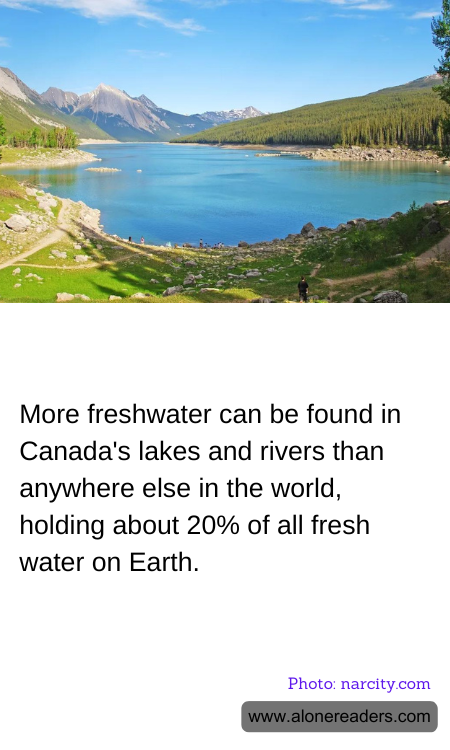
Canada, often celebrated for its breathtaking landscapes and vast wilderness, holds a remarkable distinction on the global stage: it is home to more freshwater in its lakes and rivers than any other country in the world. This vast nation, stretching from the Atlantic to the Pacific and up into the Arctic, contains about 20% of the planet's total freshwater resources. This abundance of water is not only a testament to Canada's natural beauty but also a critical asset for its environment, economy, and people.
The sheer volume of freshwater in Canada is staggering. The country boasts over two million lakes, including some of the largest and most famous in the world, such as Lake Superior, Lake Huron, and Great Bear Lake. These lakes, along with countless rivers and streams, form a complex network that supports diverse ecosystems and provides habitat for a wide array of wildlife. The Great Lakes alone, shared with the United States, contain about 84% of North America's surface freshwater and are a vital resource for both countries.
Canada's freshwater resources play a crucial role in the nation's economy. They support industries such as agriculture, fishing, and tourism, which rely heavily on clean and abundant water supplies. The country's rivers and lakes are also harnessed for hydroelectric power, providing a significant portion of Canada's energy needs in an environmentally friendly manner. This reliance on freshwater for economic activities underscores the importance of sustainable management and conservation efforts to ensure these resources remain available for future generations.
Beyond its economic significance, Canada's freshwater is integral to the cultural and recreational life of its people. Many Canadians enjoy activities such as boating, fishing, and swimming in the pristine waters of the country's lakes and rivers. These activities not only contribute to the well-being and quality of life for Canadians but also foster a deep appreciation for the natural environment. Indigenous communities, in particular, have a profound connection to these waters, which are central to their traditions, livelihoods, and spiritual practices.
However, despite this abundance, Canada's freshwater resources face challenges. Climate change, pollution, and overuse pose threats to the quality and availability of water. Rising temperatures and changing precipitation patterns can alter water levels and affect ecosystems. Pollution from industrial activities, agriculture, and urban development can degrade water quality, impacting both human health and wildlife. Addressing these challenges requires concerted efforts from governments, communities, and individuals to protect and preserve this invaluable resource.
In conclusion, Canada's lakes and rivers are a vital part of the country's identity and prosperity. Holding about 20% of the world's freshwater, these resources are essential for the environment, economy, and cultural heritage of Canada. As stewards of such a significant portion of the Earth's freshwater, Canadians have a responsibility to manage and protect these waters for the benefit of current and future generations. Through sustainable practices and a commitment to conservation, Canada can continue to be a global leader in freshwater stewardship, ensuring that its lakes and rivers remain a source of life and inspiration for all.