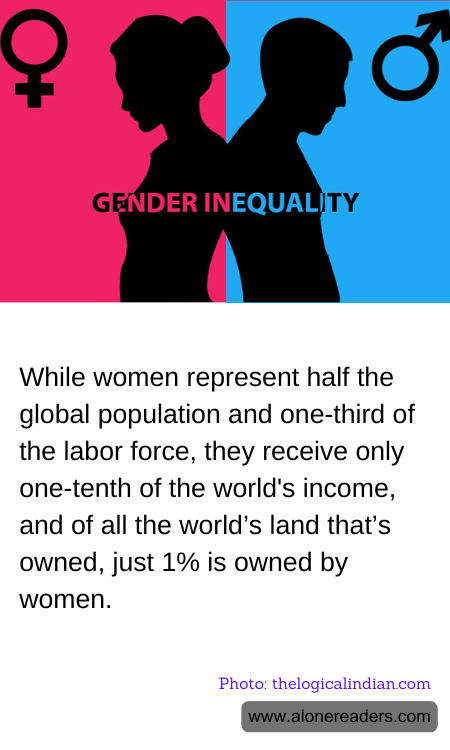
In a world where gender equality is often championed as a fundamental human right, the stark disparities in economic participation and ownership between men and women remain a pressing issue. Despite women making up half of the global population and contributing significantly to the labor force, they receive only a fraction of the world's income and own an even smaller portion of its land. This imbalance not only highlights the systemic barriers women face but also underscores the untapped potential that could be harnessed if these barriers were dismantled.
Women constitute one-third of the global labor force, yet they earn just one-tenth of the world's income. This discrepancy is not merely a reflection of unequal pay for equal work but also a result of limited access to opportunities, education, and resources. In many parts of the world, traditional gender roles and societal norms restrict women's participation in higher-paying jobs and leadership positions. Furthermore, women often bear the brunt of unpaid labor, such as caregiving and household responsibilities, which, while crucial, are not financially compensated. This not only limits their earning potential but also their ability to invest in their futures and those of their families.
The issue of land ownership is even more pronounced. Of all the land owned globally, a mere 1% is owned by women. Land ownership is a critical factor in economic stability and empowerment, providing security, income, and the ability to leverage resources for further development. However, legal and cultural barriers often prevent women from owning land. In many regions, inheritance laws favor male heirs, and women are frequently excluded from land ownership due to discriminatory practices. This lack of ownership rights not only affects women's economic status but also their social standing and ability to influence community decisions.
Addressing these disparities requires a multifaceted approach. Governments and organizations must work to reform laws and policies that discriminate against women, ensuring equal access to education, employment, and ownership rights. Additionally, societal attitudes towards gender roles need to shift, recognizing the value of women's contributions both inside and outside the home. Empowering women economically is not just a matter of justice; it is a catalyst for broader social and economic development. Studies have shown that when women have control over resources, they invest in their families and communities, leading to improved health, education, and economic outcomes for all.
In conclusion, while significant progress has been made in advancing gender equality, much work remains to be done. By addressing the economic disparities faced by women, we can unlock a wealth of potential that benefits not only women but society as a whole. It is imperative that we continue to challenge the status quo and strive for a world where women have equal opportunities to thrive and contribute to the global economy.
