More About This Card
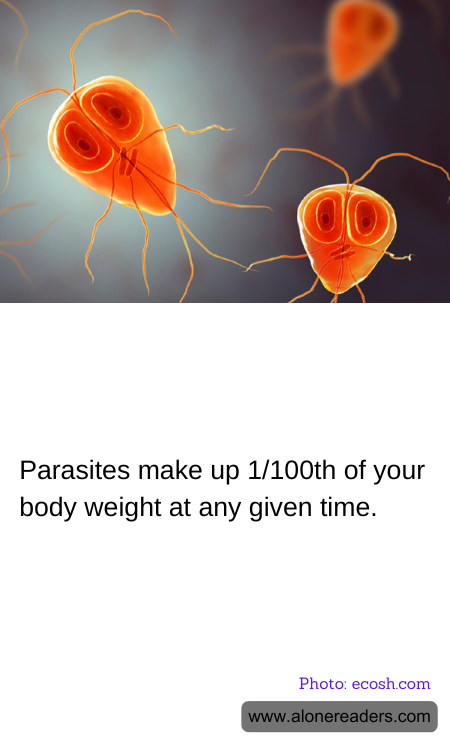
Parasites are an often overlooked yet fascinating aspect of human biology. These tiny organisms, which can include a variety of worms, protozoa, and other microscopic entities, have evolved to live in or on their hosts, deriving nutrients at the host's expense. Surprisingly, it is estimated that parasites can make up about 1/100th of a person's body weight at any given time. This statistic may seem alarming, but it highlights the complex and often unseen relationships that exist within our bodies.
The idea that parasites can constitute such a significant portion of our body weight underscores their prevalence and diversity. Many people might associate parasites with poor hygiene or tropical diseases, but the reality is that they are a common part of life for most living organisms, including humans. Some parasites, like the common pinworm, are relatively harmless and can be found in many children worldwide. Others, such as tapeworms or certain protozoans, can cause more serious health issues if left untreated.
Parasites have developed a variety of strategies to survive and thrive within their hosts. Some, like the tapeworm, attach themselves to the intestinal walls and absorb nutrients directly from the host's digested food. Others, like the malaria-causing Plasmodium, invade red blood cells and multiply within them. Despite their often negative connotations, parasites play a role in the ecosystem of the human body, interacting with our immune system and sometimes even influencing our health in unexpected ways.
The presence of parasites in the human body is not always detrimental. In some cases, they can stimulate the immune system, potentially offering protection against certain autoimmune diseases. This phenomenon, known as the "hygiene hypothesis," suggests that a lack of exposure to parasites and other microorganisms in early childhood may be linked to the rise in allergies and autoimmune disorders in developed countries. While this hypothesis is still being explored, it highlights the complex interplay between humans and parasites.
Understanding the role of parasites in our bodies can lead to better health outcomes. Regular medical check-ups and maintaining good hygiene practices can help manage and prevent parasitic infections. In areas where certain parasites are endemic, public health measures such as clean water supplies and sanitation improvements have proven effective in reducing infection rates. Additionally, advances in medical research continue to provide new insights into how we can coexist with these organisms more harmoniously.
In conclusion, while the idea of parasites making up a small fraction of our body weight might be unsettling, it is a testament to the intricate and often invisible relationships that sustain life. By learning more about these organisms and their interactions with our bodies, we can better appreciate the delicate balance of our internal ecosystems and the role parasites play in our overall health.