More About This Card
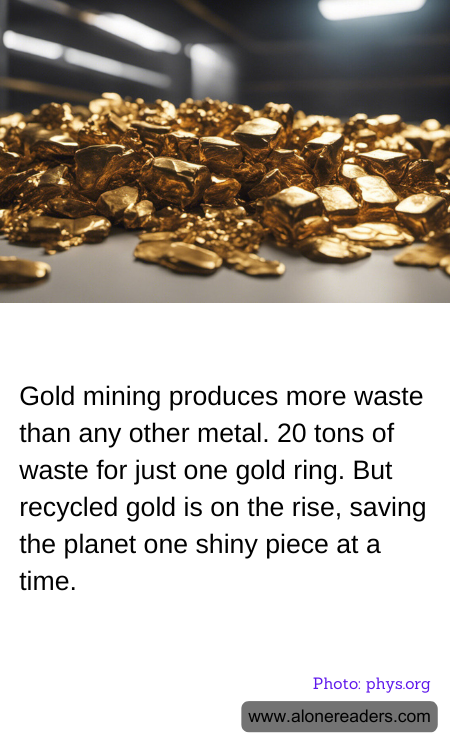
Gold mining has long been a symbol of wealth and prosperity, but beneath its glittering allure lies a stark environmental reality. The process of extracting gold from the earth is one of the most wasteful mining practices, generating an astonishing amount of waste. For every single gold ring produced, approximately 20 tons of waste are created. This waste includes toxic substances like cyanide and mercury, which are used to separate gold from ore, and can have devastating effects on local ecosystems and communities.
The environmental impact of gold mining is profound. Large-scale mining operations often lead to deforestation, soil erosion, and contamination of water sources. The tailings, or waste materials left after the gold has been extracted, can leach harmful chemicals into the environment, posing long-term risks to wildlife and human health. This has prompted a growing awareness and concern about the sustainability of gold mining practices and their impact on the planet.
In response to these environmental challenges, the concept of recycled gold has gained significant traction. Recycled gold refers to gold that is reclaimed from existing products, such as old jewelry, electronics, and industrial materials. This process not only reduces the need for new mining but also minimizes the environmental footprint associated with gold production. By recycling gold, we can significantly cut down on the waste and pollution generated by traditional mining methods.
The rise of recycled gold is a promising trend in the quest for sustainable luxury. Many jewelers and manufacturers are now opting for recycled gold in their products, offering consumers a more eco-friendly choice. This shift is driven by both environmental concerns and consumer demand for ethically sourced materials. By choosing recycled gold, consumers can enjoy the beauty and prestige of gold while supporting practices that are kinder to the planet.
Moreover, the use of recycled gold is not limited to jewelry. It is increasingly being used in electronics and other industries, further reducing the reliance on newly mined gold. This not only helps in conserving natural resources but also promotes a circular economy where materials are reused and recycled, rather than discarded.
In conclusion, while gold mining continues to be a major source of environmental degradation, the rise of recycled gold offers a glimmer of hope. By embracing recycled gold, we can reduce waste, conserve resources, and protect our planet for future generations. It is a small but significant step towards a more sustainable and responsible approach to luxury and consumption. As awareness grows and more consumers make conscious choices, recycled gold has the potential to transform the industry, proving that even the smallest changes can make a big difference in saving the planet, one shiny piece at a time.