More About This Card
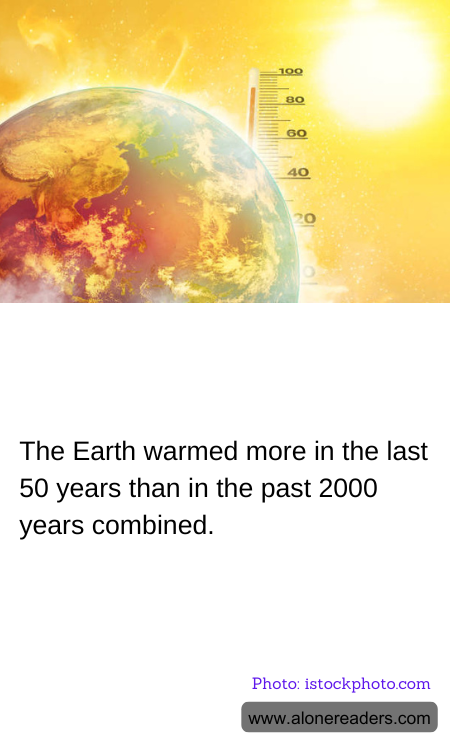
In recent decades, the Earth has experienced an unprecedented rate of warming, a phenomenon that has captured the attention of scientists, policymakers, and the general public alike. This rapid increase in global temperatures over the last 50 years is more significant than the warming experienced over the previous 2000 years combined. This alarming trend underscores the urgent need for comprehensive action to address climate change and mitigate its impacts on our planet.
The primary driver of this accelerated warming is the increase in greenhouse gas emissions, particularly carbon dioxide, methane, and nitrous oxide, resulting from human activities. The burning of fossil fuels for energy, deforestation, and industrial processes have significantly increased the concentration of these gases in the atmosphere. They trap heat from the sun, leading to a rise in global temperatures. This process, known as the greenhouse effect, is natural and necessary for life on Earth, but human activities have intensified it to dangerous levels.
The consequences of this rapid warming are already evident across the globe. Glaciers and ice caps are melting at an alarming rate, contributing to rising sea levels that threaten coastal communities. Extreme weather events, such as hurricanes, heatwaves, and floods, are becoming more frequent and severe, causing widespread destruction and loss of life. Ecosystems are also under stress, with many species struggling to adapt to the changing climate, leading to shifts in biodiversity and the potential for mass extinctions.
The impact of climate change is not uniform across the globe, with some regions experiencing more severe effects than others. Developing countries, often with fewer resources to adapt, are particularly vulnerable to the impacts of climate change. This disparity highlights the need for global cooperation and support to ensure that all nations can effectively respond to the challenges posed by a warming planet.
Addressing this crisis requires a multifaceted approach. Transitioning to renewable energy sources, such as solar and wind, can significantly reduce greenhouse gas emissions. Improving energy efficiency and investing in sustainable infrastructure are also crucial steps. Additionally, protecting and restoring natural carbon sinks, such as forests and wetlands, can help absorb carbon dioxide from the atmosphere.
Public awareness and education are vital components of the solution. By understanding the causes and consequences of climate change, individuals can make informed choices that contribute to a more sustainable future. Governments, businesses, and communities must work together to implement policies and practices that prioritize environmental stewardship and reduce our collective carbon footprint.
The warming of the Earth over the last 50 years serves as a stark reminder of the urgent need for action. While the challenges are significant, they are not insurmountable. By embracing innovation, collaboration, and a commitment to sustainability, we can work towards a future where the planet's climate is stable, and its ecosystems are resilient. The time to act is now, for the sake of current and future generations.