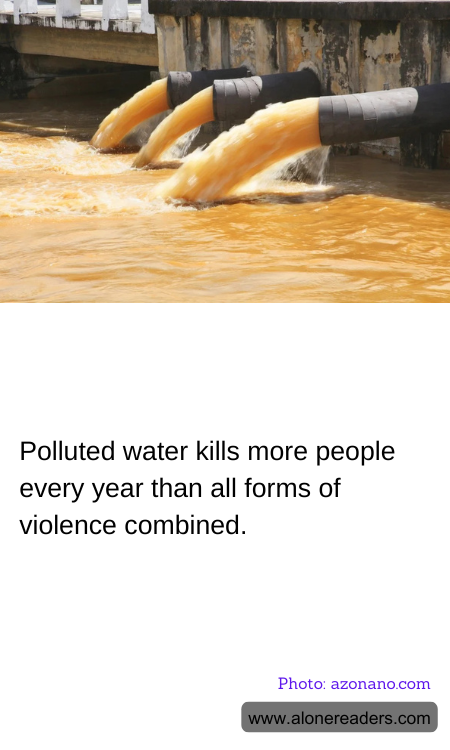
Water is often regarded as the essence of life, yet for millions around the globe, it is a source of peril rather than sustenance. Polluted water is a silent killer, responsible for more deaths annually than all forms of violence combined. This stark reality underscores the urgent need for global action to address water pollution and its devastating impact on human health.
Contaminated water is a breeding ground for a host of deadly diseases, including cholera, dysentery, and typhoid. These illnesses disproportionately affect vulnerable populations, particularly in developing countries where access to clean water and adequate sanitation is limited. Children are especially at risk, with waterborne diseases being a leading cause of death among those under five years old. The World Health Organization estimates that around 829,000 people die each year from diarrhea as a result of unsafe drinking water, sanitation, and hand hygiene.
The sources of water pollution are numerous and varied. Industrial waste, agricultural runoff, and inadequate sewage treatment all contribute to the contamination of water supplies. In many regions, rivers and lakes serve as dumping grounds for toxic chemicals and untreated human waste, creating a toxic cocktail that seeps into the water table. This pollution not only affects drinking water but also compromises food security, as contaminated water is used for irrigation, leading to the accumulation of harmful substances in crops.
The impact of polluted water extends beyond immediate health concerns. It perpetuates a cycle of poverty and inequality, as those who are already disadvantaged are forced to spend a significant portion of their income on medical expenses and bottled water. Moreover, the time spent collecting water from distant, often unsafe sources detracts from educational and economic opportunities, particularly for women and girls.
Addressing the issue of water pollution requires a multifaceted approach. Governments must enforce stricter regulations on industrial emissions and agricultural practices to prevent pollutants from entering water bodies. Investment in infrastructure is crucial to ensure that communities have access to safe drinking water and proper sanitation facilities. Education and awareness campaigns can empower individuals to take action in their communities, advocating for cleaner water and better hygiene practices.
The global community must recognize the severity of the water pollution crisis and prioritize it as a critical component of public health and environmental sustainability. By working together to protect and preserve our water resources, we can prevent countless deaths and improve the quality of life for millions. Clean water is not a luxury but a fundamental human right, and it is incumbent upon us all to ensure that this right is upheld for every person on the planet.
