More About This Card
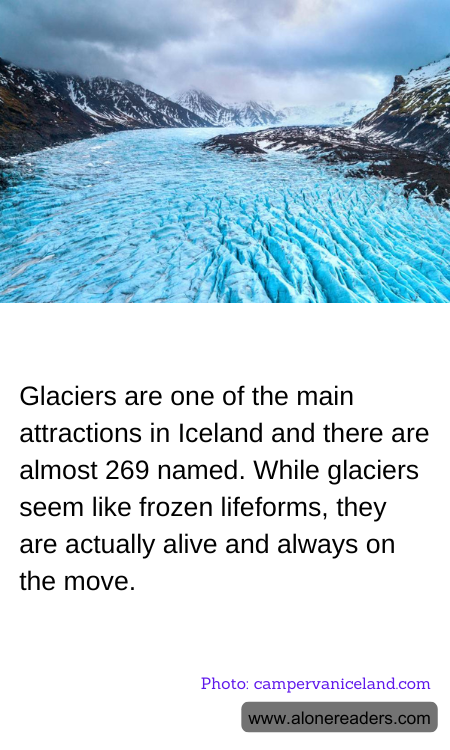
Iceland, a land of fire and ice, is renowned for its breathtaking landscapes, where glaciers stand as some of the most awe-inspiring natural wonders. With nearly 269 named glaciers, these colossal ice masses are not only a testament to the island's unique geological features but also a major draw for tourists from around the globe. While they may appear as static, frozen giants, glaciers are dynamic entities, constantly in motion and evolving with the passage of time.
The allure of Iceland's glaciers lies in their sheer size and beauty. Vatnajökull, the largest glacier in Europe, covers an area of approximately 8,100 square kilometers, making it a dominant feature of the Icelandic landscape. Visitors to Iceland are often captivated by the stunning vistas of these icy expanses, which offer a stark contrast to the volcanic activity that also characterizes the island. The interplay of fire and ice creates a unique environment that is both mesmerizing and humbling.
Despite their seemingly inert appearance, glaciers are far from lifeless. They are, in fact, dynamic systems that are constantly on the move. This movement is driven by the force of gravity, causing glaciers to flow slowly over time. As they advance and retreat, glaciers shape the land beneath them, carving out valleys and fjords, and leaving behind a landscape that tells the story of their journey. This constant motion is a reminder of the ever-changing nature of our planet and the delicate balance of the natural world.
The movement of glaciers is not just a geological phenomenon; it also has significant implications for the environment. As glaciers advance, they grind down rocks into fine particles known as glacial flour, which can be carried by meltwater into rivers and oceans. This process enriches the water with nutrients, supporting a diverse range of aquatic life. However, the retreat of glaciers due to climate change poses a serious threat to these ecosystems. The melting of glaciers contributes to rising sea levels, which can have far-reaching effects on coastal communities and habitats around the world.
For those visiting Iceland, the opportunity to witness these majestic glaciers firsthand is an unforgettable experience. Guided tours allow visitors to explore the icy terrain safely, offering a chance to walk on the glacier's surface, explore ice caves, and learn about the fascinating processes that govern their movement. These tours not only provide a thrilling adventure but also foster a deeper appreciation for the natural world and the urgent need to protect it.
In conclusion, Iceland's glaciers are more than just frozen landscapes; they are living, breathing entities that play a crucial role in the Earth's ecosystem. Their beauty and majesty draw countless visitors each year, offering a glimpse into the dynamic processes that shape our planet. As we continue to grapple with the impacts of climate change, the preservation of these natural wonders becomes ever more critical, reminding us of the delicate balance that sustains life on Earth.