More About This Card
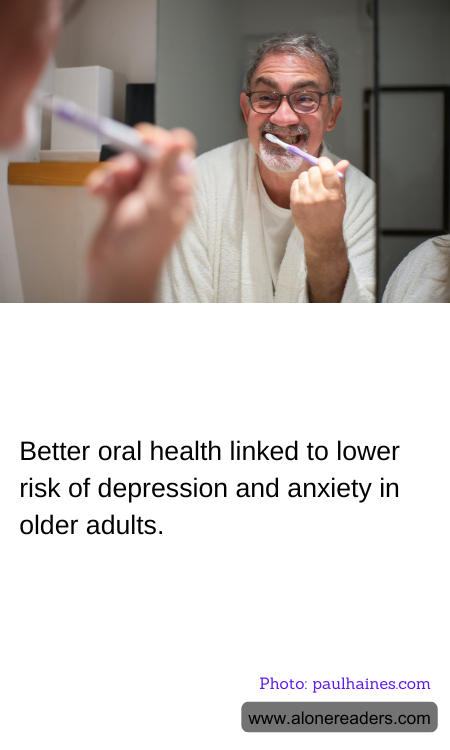
Recent studies have highlighted a compelling connection between oral health and mental well-being, particularly in older adults. As the global population ages, understanding the factors that contribute to mental health is becoming increasingly important. One such factor that has emerged is the state of an individual's oral health. Research indicates that maintaining good oral hygiene can significantly reduce the risk of depression and anxiety in older adults, offering a simple yet effective strategy to enhance quality of life.
Oral health is often overlooked in discussions about overall health, yet it plays a crucial role in an individual's daily life. Poor oral health can lead to a variety of issues, including tooth decay, gum disease, and tooth loss, which can, in turn, affect one's ability to eat, speak, and socialize comfortably. These challenges can lead to a decline in self-esteem and social withdrawal, both of which are risk factors for depression and anxiety. Furthermore, chronic oral health problems can cause persistent pain and discomfort, contributing to stress and mental health issues.
The link between oral health and mental well-being is supported by several studies. For instance, research has shown that individuals with poor oral health are more likely to experience symptoms of depression and anxiety. This relationship is thought to be bidirectional, meaning that while poor oral health can contribute to mental health issues, depression and anxiety can also lead to neglect of oral hygiene. This creates a vicious cycle where mental health deteriorates as oral health worsens, and vice versa.
Promoting better oral health among older adults can therefore be a vital component of mental health care. Simple practices such as regular brushing and flossing, routine dental check-ups, and a balanced diet can help maintain oral health. Additionally, educating older adults about the importance of oral hygiene and its impact on mental health can empower them to take proactive steps in managing their well-being. Healthcare providers can play a crucial role by integrating oral health assessments into regular health check-ups and encouraging open discussions about mental health.
In conclusion, the connection between oral health and mental well-being underscores the importance of a holistic approach to health care, especially for older adults. By recognizing and addressing the impact of oral health on mental health, individuals and healthcare providers can work together to improve the overall quality of life for older adults. As awareness of this link grows, it is hoped that more comprehensive health strategies will be developed, ensuring that older adults can enjoy both good oral health and mental well-being.