More About This Card
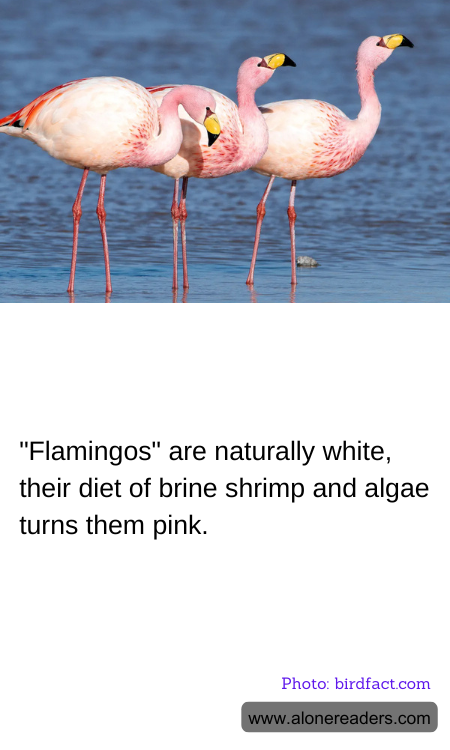
Flamingos are among the most striking and recognizable birds in the world, known for their vibrant pink plumage and elegant stance. However, what many people might not realize is that these birds are not naturally pink. Flamingos are born with greyish-white feathers, and it is their diet that transforms them into the pink wonders we admire.
The secret behind the flamingo's color lies in their food. Flamingos primarily feed on brine shrimp and blue-green algae, both of which are rich in carotenoids. Carotenoids are pigments found in various plants and organisms that produce red, orange, and yellow hues. When flamingos consume these carotenoid-rich foods, their bodies metabolize the pigments, which then deposit in their skin and feathers, gradually turning them pink.
This fascinating transformation is a result of the flamingo's highly specialized feeding habits. Flamingos are filter feeders, using their uniquely shaped beaks to sift through mud and water to capture their food. Their beaks are adapted to separate mud and silt from the food they consume, allowing them to efficiently extract the tiny organisms that provide their colorful diet.
Interestingly, the intensity of a flamingo's pink color can vary depending on the amount and type of carotenoids in their diet. Flamingos that have access to a diet rich in these pigments will display a more vibrant pink hue, while those with less access may appear paler. This variation in color can also be influenced by the flamingo's age and health, as well as environmental factors.
The transformation of flamingos from white to pink is not just a fascinating biological process but also serves a purpose in their social interactions. The vividness of a flamingo's color can be an indicator of its health and vitality, playing a role in mating displays and social hierarchy within flocks. A brightly colored flamingo is often more attractive to potential mates, signaling that it is well-nourished and genetically fit.
Flamingos are a testament to the wonders of nature and the intricate relationships between organisms and their environments. Their transformation from white to pink is a vivid example of how diet can influence physical appearance in the animal kingdom. As these birds continue to captivate people around the world, their story serves as a reminder of the delicate balance of ecosystems and the importance of preserving the natural habitats that sustain such remarkable creatures.