More About This Card
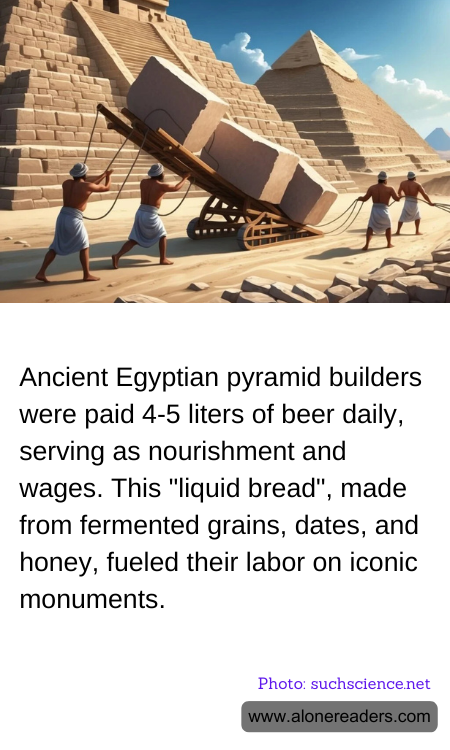
In the heart of ancient Egypt, where the sun cast long shadows over the desert sands, the construction of the iconic pyramids was a feat of human ingenuity and endurance. These monumental structures, which have stood the test of time, were built not by slaves, as often misconceived, but by skilled laborers who were compensated for their efforts in a rather unique way. The workers who toiled under the scorching sun were paid with a daily ration of 4-5 liters of beer, a practice that highlights the cultural and practical significance of this beverage in ancient Egyptian society.
Beer in ancient Egypt was not merely a recreational drink; it was a staple of the diet, often referred to as "liquid bread." This nourishing concoction was made from fermented grains, dates, and honey, providing essential nutrients and calories needed for the physically demanding work of pyramid construction. The beer was thick and hearty, more akin to a porridge than the clear, effervescent beers we know today. It was rich in carbohydrates and proteins, making it an ideal source of sustenance for the laborers.
The provision of beer as a form of payment underscores the importance of this beverage in the daily lives of ancient Egyptians. It was a central element of their diet, consumed by people of all ages and social classes. The fermentation process not only enhanced the nutritional value of the grains but also made the drink safer to consume than potentially contaminated water sources. This practice of paying workers with beer reflects a sophisticated understanding of nutrition and labor management in ancient Egyptian society.
The role of beer in pyramid construction is a testament to the advanced organizational skills of the ancient Egyptians. The logistics of brewing and distributing such large quantities of beer to thousands of workers required meticulous planning and coordination. This system ensured that the laborers remained healthy and motivated, contributing to the successful completion of these awe-inspiring structures that continue to captivate the world.
In essence, the use of beer as both nourishment and wages for pyramid builders offers a fascinating glimpse into the daily life and culture of ancient Egypt. It reveals a society that valued the well-being of its workers and recognized the importance of providing them with the necessary resources to perform their tasks effectively. As we marvel at the grandeur of the pyramids today, it is worth remembering the humble yet vital role that this "liquid bread" played in their creation.