More About This Card
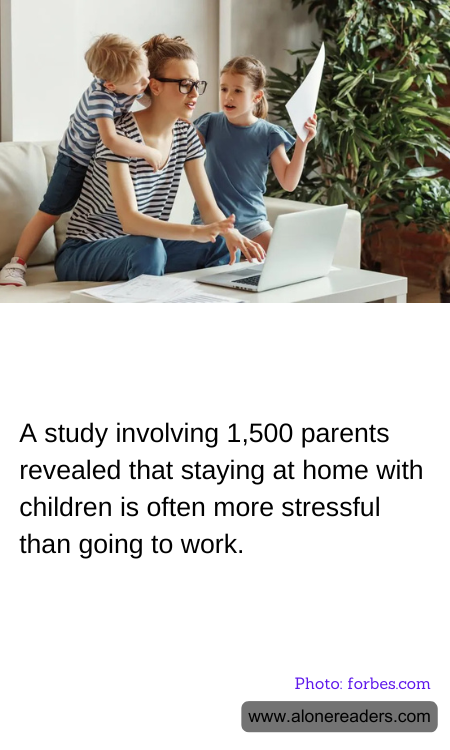
In a recent study involving 1,500 parents, researchers have uncovered a surprising revelation: staying at home with children can often be more stressful than going to work. This finding challenges the traditional notion that home is a sanctuary of relaxation compared to the demands of the workplace. The study, which surveyed a diverse group of parents, sheds light on the multifaceted challenges faced by those who choose to stay at home to care for their children.
The daily routine of a stay-at-home parent is often underestimated. While the absence of a formal work environment might suggest a more relaxed lifestyle, the reality is quite different. Parents at home are tasked with a myriad of responsibilities that require constant attention and energy. From managing household chores to ensuring the well-being and development of their children, the demands are relentless. Unlike a typical workday that has a defined start and end, the responsibilities of a stay-at-home parent are continuous, often extending late into the night and starting early in the morning.
One of the key stressors identified in the study is the lack of adult interaction and the feeling of isolation that can accompany staying at home. While workplaces provide social interaction and a sense of community, stay-at-home parents often find themselves without regular adult conversation, which can lead to feelings of loneliness and frustration. This isolation can be compounded by the societal perception that staying at home is an easier option, leaving many parents feeling undervalued and misunderstood.
Moreover, the emotional labor involved in parenting is significant. Parents are not only responsible for the physical care of their children but also for their emotional and psychological development. This requires a level of patience, empathy, and resilience that can be exhausting. The pressure to provide a nurturing and stimulating environment for children, while managing their own emotional well-being, can be overwhelming.
The study also highlights the importance of recognizing the value of stay-at-home parents and the need for societal support systems to alleviate some of the stress they experience. This could include community programs that offer social interaction opportunities, mental health resources, and platforms for sharing experiences and advice. Additionally, fostering a greater understanding and appreciation of the challenges faced by stay-at-home parents can help in creating a more supportive environment.
In conclusion, while staying at home with children is often perceived as a less demanding option compared to traditional employment, this study reveals the unique and significant challenges it presents. Recognizing and addressing these challenges is crucial in supporting the well-being of stay-at-home parents, ultimately benefiting the entire family unit. As society continues to evolve, it is essential to value and support all forms of parenting, acknowledging the diverse experiences and contributions of parents everywhere.