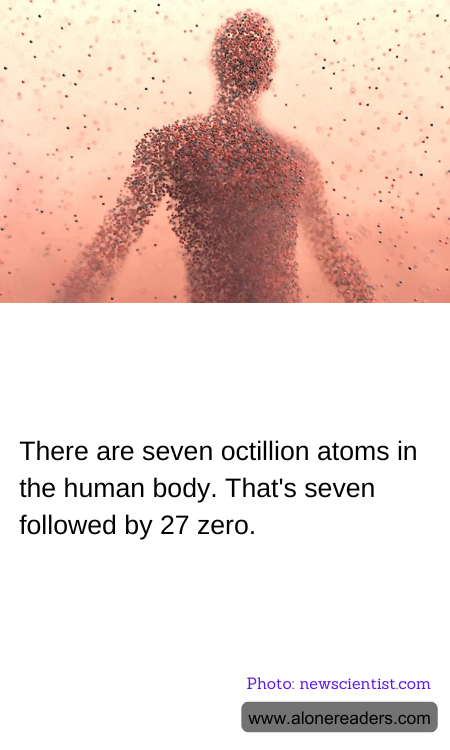
The human body is a marvel of nature, a complex and intricate system that functions seamlessly to sustain life. At the heart of this biological wonder lies an astonishing fact: the human body is composed of approximately seven octillion atoms. To put that into perspective, that's a seven followed by 27 zeros. This staggering number not only highlights the complexity of our physical form but also underscores the intricate dance of chemistry and biology that occurs within us every second of every day.
Atoms are the fundamental building blocks of matter, the smallest units that retain the properties of an element. In the human body, these atoms come together to form molecules, which in turn create the cells, tissues, and organs that make up our bodies. The most abundant elements in the human body are oxygen, carbon, hydrogen, and nitrogen, which together account for about 96% of our mass. These elements combine in various ways to form the proteins, fats, carbohydrates, and nucleic acids that are essential for life.
The sheer number of atoms in the human body is a testament to the complexity of our biological makeup. Each atom plays a crucial role in maintaining the delicate balance necessary for life. For example, oxygen atoms are vital for cellular respiration, a process that provides the energy needed for all bodily functions. Carbon atoms form the backbone of organic molecules, while hydrogen atoms are involved in countless chemical reactions. Nitrogen atoms are key components of amino acids, the building blocks of proteins.
Understanding the vast number of atoms in the human body also offers a glimpse into the interconnectedness of all life on Earth. The atoms that make up our bodies have existed for billions of years, recycled through countless forms and processes. The oxygen we breathe, the carbon in our cells, and the calcium in our bones have all been part of other living organisms and the environment. This continuous cycle of matter underscores the profound connection between all living things and the planet we inhabit.
Moreover, the study of atoms and their interactions is crucial for advancing our understanding of health and disease. By examining how atoms and molecules interact within the body, scientists can develop new treatments and therapies for a wide range of conditions. This knowledge also helps us appreciate the delicate balance required to maintain health and the potential consequences when this balance is disrupted.
In conclusion, the fact that the human body contains seven octillion atoms is a humbling reminder of the complexity and wonder of life. It highlights the intricate interplay of elements and molecules that sustain us and connects us to the broader tapestry of life on Earth. As we continue to explore the mysteries of the human body, we gain not only a deeper understanding of ourselves but also a greater appreciation for the remarkable world we inhabit.
