More About This Card
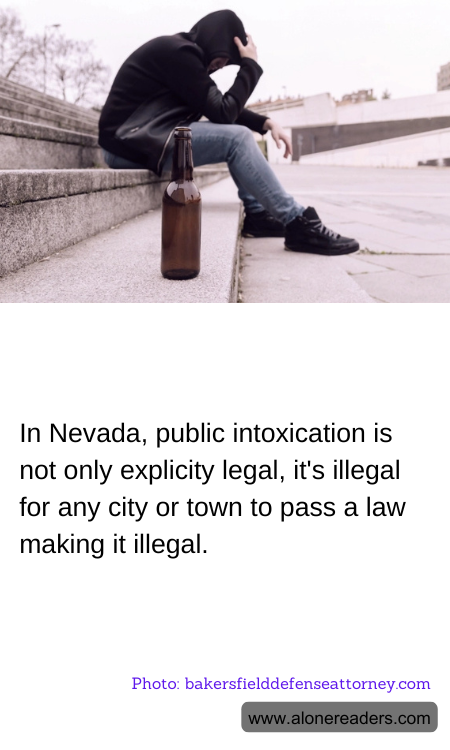
Nevada is a state known for its vibrant nightlife, bustling casinos, and a general atmosphere of revelry. However, one of the lesser-known aspects of Nevada's legal landscape is its unique stance on public intoxication. Unlike many other states, where public intoxication can lead to fines or even arrest, Nevada has taken a distinctly different approach. In Nevada, public intoxication is not only explicitly legal, but it is also illegal for any city or town within the state to enact laws that would make it illegal.
This legal framework stems from a broader understanding of personal freedom and responsibility that is deeply embedded in Nevada's culture. The state’s approach to public intoxication is rooted in the belief that adults should be allowed to enjoy themselves without the fear of legal repercussions, as long as they do not harm others or disrupt public order. This perspective aligns with Nevada's reputation as a place where people can escape the constraints of everyday life and indulge in leisure activities, whether that involves gambling, attending shows, or enjoying nightlife.
The legal protection against local ordinances prohibiting public intoxication is enshrined in Nevada Revised Statutes (NRS) 458.260. This statute explicitly states that being drunk in public is not a criminal offense and prohibits local governments from enacting laws to the contrary. This statewide policy ensures uniformity across Nevada, preventing a patchwork of local laws that could confuse residents and tourists alike.
While this law might seem to encourage excessive drinking, it is important to note that Nevada still enforces laws against behaviors that can result from intoxication, such as disorderly conduct, public urination, or driving under the influence. The focus is on the actions that may arise from intoxication rather than the state of being intoxicated itself. This distinction allows law enforcement to address behaviors that genuinely threaten public safety and order without penalizing individuals for simply enjoying themselves.
For tourists and residents, this legal stance offers a sense of freedom and relaxation, contributing to Nevada's allure as a destination for entertainment and leisure. However, it also places a significant emphasis on personal responsibility. Individuals are expected to manage their behavior and ensure that their enjoyment does not infringe on the rights and safety of others.
In conclusion, Nevada's approach to public intoxication reflects its broader cultural values of freedom and personal responsibility. By making public intoxication legal and preventing local governments from criminalizing it, Nevada offers a unique environment where adults can enjoy their leisure time without undue legal interference. This policy not only enhances the state's appeal as a tourist destination but also underscores the importance of individual accountability in maintaining public order and safety.