More About This Card
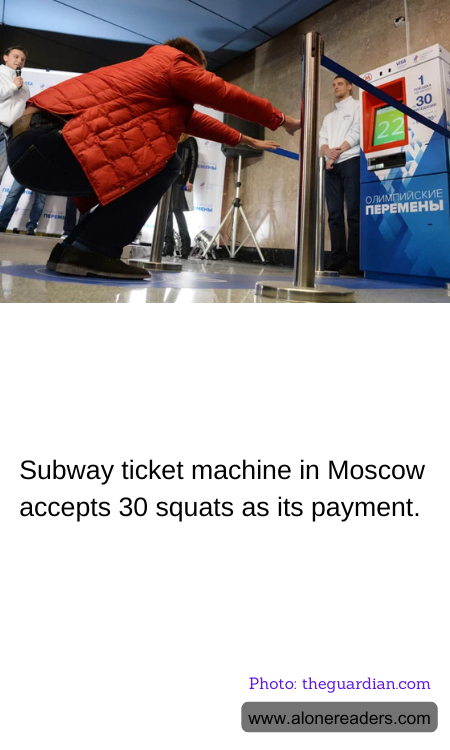
In a unique blend of fitness and public transportation, Moscow has introduced an innovative way to pay for subway rides: performing 30 squats. This initiative, which combines physical activity with daily commuting, aims to promote a healthier lifestyle among the city's residents while also adding an element of fun to the otherwise mundane task of purchasing a subway ticket.
The concept is simple yet effective. Specially designed ticket machines have been installed at select subway stations across Moscow. These machines are equipped with motion sensors that count the number of squats a person performs. Once the commuter completes 30 squats, the machine dispenses a free subway ticket. This initiative not only encourages physical activity but also offers a small financial incentive, making it an attractive option for many.
The idea was first introduced as part of a campaign to promote fitness and well-being ahead of the 2014 Winter Olympics in Sochi. It was met with enthusiasm and has since become a permanent feature in some stations due to its popularity. The initiative is a testament to the city's commitment to fostering a healthier community by integrating exercise into everyday activities.
For many commuters, this unique payment method offers a welcome break from their daily routine. It transforms the often tedious task of purchasing a ticket into an engaging and rewarding experience. Moreover, it serves as a gentle reminder of the importance of incorporating physical activity into daily life, especially in an era where sedentary lifestyles are becoming increasingly common.
The squat-for-a-ticket initiative also reflects a broader trend of cities around the world seeking creative solutions to encourage healthier living. By making exercise a part of the daily commute, Moscow is setting an example for other cities to follow. It demonstrates that with a little creativity, public infrastructure can be used to promote public health in a way that is both effective and enjoyable.
In addition to its health benefits, the initiative has sparked conversations about the role of public spaces in promoting wellness. It challenges the traditional notion of public transportation as merely a means of getting from point A to point B, suggesting instead that it can be a platform for positive change in the community.
Overall, the subway ticket machine that accepts squats as payment is more than just a novel idea; it is a reflection of Moscow's innovative approach to public health and transportation. By encouraging residents to engage in physical activity, the city is not only promoting fitness but also fostering a sense of community and well-being. As more cities look for ways to improve the health of their populations, Moscow's initiative serves as an inspiring example of how small changes can make a big difference.