More About This Card
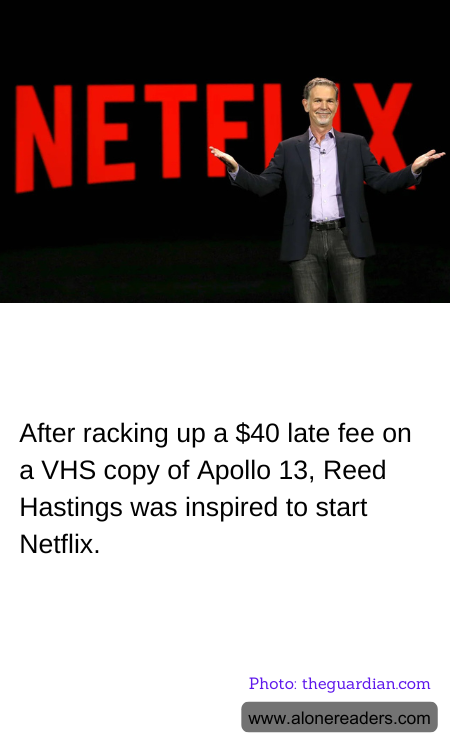
In the late 1990s, a seemingly trivial incident involving a VHS tape and a late fee sparked a revolutionary idea that would forever change the way we consume media. Reed Hastings, a budding entrepreneur at the time, found himself facing a $40 late fee for a VHS copy of the movie "Apollo 13." This experience, frustrating as it was, planted the seed for what would become Netflix, a company that has since transformed the entertainment industry.
Hastings' encounter with the late fee was more than just a personal inconvenience; it highlighted a widespread issue with traditional video rental services. Customers were often penalized with hefty fees for returning movies late, a practice that many found frustrating and unfair. Hastings, recognizing this pain point, began to envision a new kind of service—one that would eliminate late fees and provide a more customer-friendly experience.
The idea was simple yet groundbreaking: a subscription-based model that allowed customers to rent DVDs by mail without worrying about due dates or late fees. In 1997, Hastings, along with co-founder Marc Randolph, launched Netflix as an online DVD rental service. The company offered a flat monthly fee, allowing customers to keep DVDs for as long as they wanted, with the option to exchange them for new ones at their convenience. This model not only addressed the issue of late fees but also provided a more flexible and user-friendly alternative to traditional video rental stores.
Netflix's innovative approach quickly gained traction, and the company began to grow. As technology evolved, so did Netflix. In 2007, the company introduced streaming services, allowing subscribers to watch movies and TV shows instantly over the internet. This move marked a significant shift in the entertainment landscape, as it offered unprecedented convenience and accessibility to viewers.
Today, Netflix is a global powerhouse in the entertainment industry, boasting millions of subscribers worldwide and producing a vast array of original content. The company's success can be traced back to Hastings' initial frustration with a late fee, which drove him to create a service that prioritized customer satisfaction and convenience.
The story of Netflix's inception serves as a reminder of how a simple problem can lead to a groundbreaking solution. It underscores the importance of innovation and the willingness to challenge the status quo. Reed Hastings' experience with a $40 late fee not only inspired the creation of Netflix but also paved the way for a new era in entertainment, one where viewers have more control and choice than ever before.