More About This Card
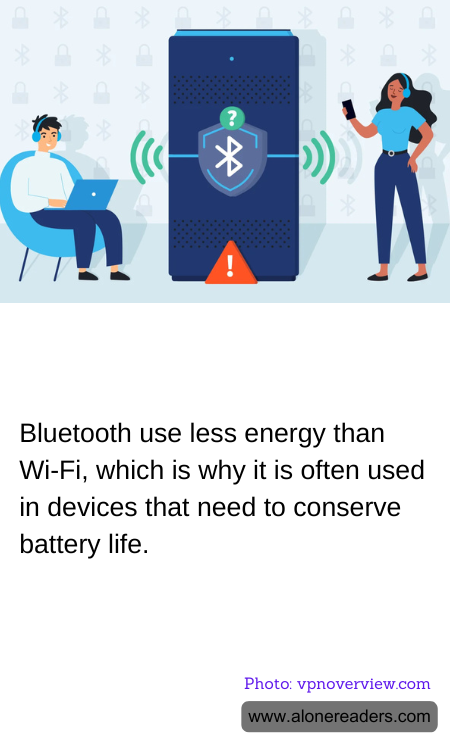
In today's digital age, wireless technology has become an integral part of our daily lives, enabling seamless connectivity across a multitude of devices. Among the most common wireless technologies are Bluetooth and Wi-Fi, each serving distinct purposes and offering unique advantages. One of the key differences between these two technologies is their energy consumption, with Bluetooth being the more energy-efficient option. This characteristic makes Bluetooth particularly appealing for devices that prioritize battery conservation.
Bluetooth technology was designed with energy efficiency in mind, making it an ideal choice for devices that require long-lasting battery life. This is especially important for gadgets like wireless headphones, fitness trackers, smartwatches, and other portable electronics that are often used on the go. By consuming less power, Bluetooth allows these devices to operate for extended periods without the need for frequent recharging, enhancing user convenience and satisfaction.
The reason behind Bluetooth's lower energy consumption lies in its design and functionality. Bluetooth operates over shorter distances and uses a lower power radio frequency compared to Wi-Fi. This means that Bluetooth can maintain a stable connection while drawing minimal power from the device's battery. Additionally, Bluetooth technology has evolved over the years, with newer versions such as Bluetooth Low Energy (BLE) being specifically engineered to further reduce power usage. BLE is particularly beneficial for applications that require continuous data transmission, such as health monitoring devices, where battery longevity is crucial.
In contrast, Wi-Fi is designed for high-speed data transfer over longer distances, which inherently requires more energy. While Wi-Fi is indispensable for tasks that demand large data volumes, such as streaming videos or downloading files, its higher power consumption makes it less suitable for devices where battery life is a primary concern. As a result, many manufacturers opt for Bluetooth in scenarios where conserving energy is paramount, ensuring that their products remain functional and reliable for longer periods.
The choice between Bluetooth and Wi-Fi ultimately depends on the specific needs of the device and its intended use. For applications where energy efficiency and battery life are critical, Bluetooth stands out as the preferred option. Its ability to provide reliable connectivity while minimizing power consumption makes it an essential component in the design of modern portable electronics. As technology continues to advance, the role of Bluetooth in enhancing device efficiency and user experience is likely to grow, further solidifying its place in the landscape of wireless communication.