More About This Card
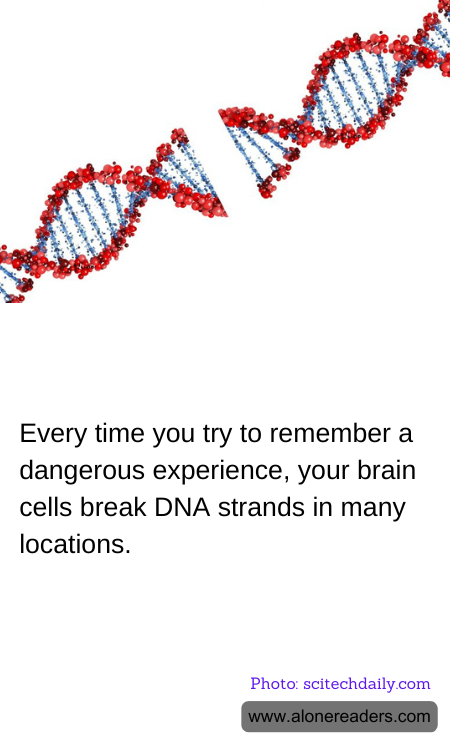
The human brain is a marvel of nature, capable of storing and recalling a vast array of memories, from the mundane to the extraordinary. However, recent research has uncovered a surprising and somewhat unsettling aspect of how our brains process memories, particularly those involving dangerous or traumatic experiences. It turns out that every time we try to remember a dangerous experience, our brain cells may actually break DNA strands in many locations.
This phenomenon is rooted in the complex interplay between memory formation and the biological processes that underpin it. When we recall a memory, especially one that is emotionally charged or involves a threat, our brain undergoes a process called "memory reconsolidation." During this process, the memory is temporarily destabilized and then restabilized, allowing for the potential modification or reinforcement of the memory. This is a crucial aspect of how we learn from past experiences and adapt our behavior accordingly.
However, the act of recalling such memories is not without its costs. Recent studies have shown that during the reconsolidation process, neurons in the brain can experience breaks in their DNA strands. This might sound alarming, but it's important to note that DNA breaks are a normal part of cellular processes and are usually repaired quickly by the cell's own repair mechanisms. In fact, these breaks may be necessary for the brain to effectively update and strengthen memories, allowing us to better respond to similar situations in the future.
The breaking and repairing of DNA strands during memory recall highlight the dynamic nature of our brain's ability to adapt and change. This process is part of what makes our memories so resilient and flexible, enabling us to learn from our experiences and adjust our behavior to better navigate the world around us. However, it also underscores the delicate balance that exists within our brains, where the processes that allow us to remember and learn can also pose potential risks if not properly regulated.
Understanding the relationship between memory recall and DNA strand breaks opens up new avenues for research into how our brains function and how we might better support mental health. For instance, this knowledge could lead to new treatments for conditions like post-traumatic stress disorder (PTSD), where individuals are plagued by intrusive memories of dangerous experiences. By exploring how DNA strand breaks and repairs are managed during memory recall, scientists may be able to develop interventions that help individuals process and integrate traumatic memories more effectively.
In conclusion, the discovery that recalling dangerous experiences can lead to DNA strand breaks in brain cells is a fascinating insight into the complexity of our memory processes. While it may initially seem concerning, it is a testament to the brain's remarkable ability to adapt and evolve. As research continues to unfold, we can look forward to a deeper understanding of how our memories shape us and how we can harness this knowledge to improve mental health and well-being.