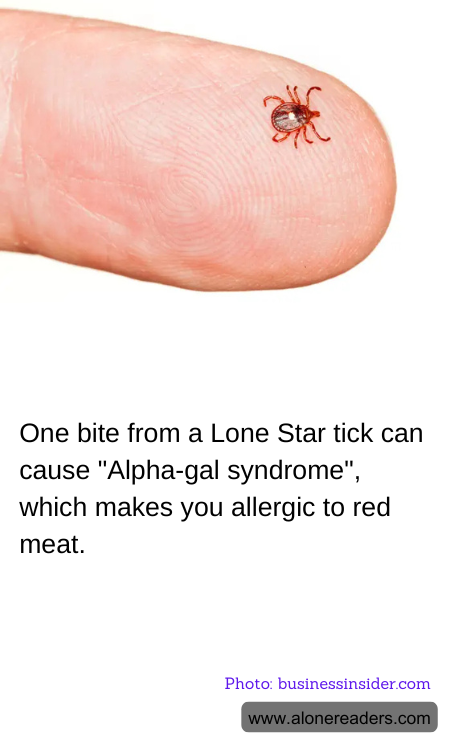
Imagine enjoying a juicy steak or a sizzling burger, only to find yourself suddenly allergic to red meat. This scenario is a reality for those affected by Alpha-gal syndrome, a condition triggered by a bite from the Lone Star tick. This tick, primarily found in the southeastern United States but increasingly spreading to other regions, carries a sugar molecule called alpha-gal. When the tick bites a human, it can transfer this molecule into the bloodstream, leading to an unusual allergic reaction to red meat and other products derived from mammals.
Alpha-gal syndrome is unique because it is not caused by a protein, as most food allergies are, but by a carbohydrate. This makes it particularly challenging to diagnose and understand. The symptoms can vary widely, from mild hives and itching to severe anaphylaxis, a potentially life-threatening reaction. What makes this allergy even more perplexing is its delayed onset. Unlike typical food allergies that trigger symptoms almost immediately, reactions to alpha-gal can occur three to six hours after consuming red meat, making it difficult for individuals to connect their symptoms to their diet.
The Lone Star tick, identifiable by the distinctive white dot on the back of adult females, is the primary culprit in spreading this syndrome. As these ticks expand their range, more people are at risk of developing this allergy. The condition can affect anyone bitten by the tick, regardless of age or previous health status. While some individuals may experience a decrease in sensitivity over time, others may find their allergy persists indefinitely, requiring them to make significant lifestyle and dietary changes.
Avoiding red meat is the most effective way to manage Alpha-gal syndrome. This includes beef, pork, lamb, and any other mammalian meat. Additionally, some individuals may react to dairy products and gelatin, which also contain alpha-gal. Reading food labels carefully and being aware of hidden sources of these ingredients is crucial for those affected. Fortunately, poultry and fish do not contain alpha-gal, providing alternative protein sources for those with the allergy.
Public awareness of Alpha-gal syndrome is growing, but it remains a relatively unknown condition. Education about the risks associated with tick bites and the importance of prevention is essential. Wearing long sleeves and pants, using insect repellent, and performing thorough tick checks after spending time outdoors can help reduce the risk of tick bites. For those who suspect they may have developed the syndrome, consulting with an allergist for proper testing and diagnosis is vital.
As research continues, scientists hope to better understand the mechanisms behind Alpha-gal syndrome and develop more effective treatments. Until then, awareness and prevention remain the best strategies for managing this unusual and life-altering allergy. By staying informed and taking precautions, individuals can protect themselves from the bite that could change their relationship with food forever.
