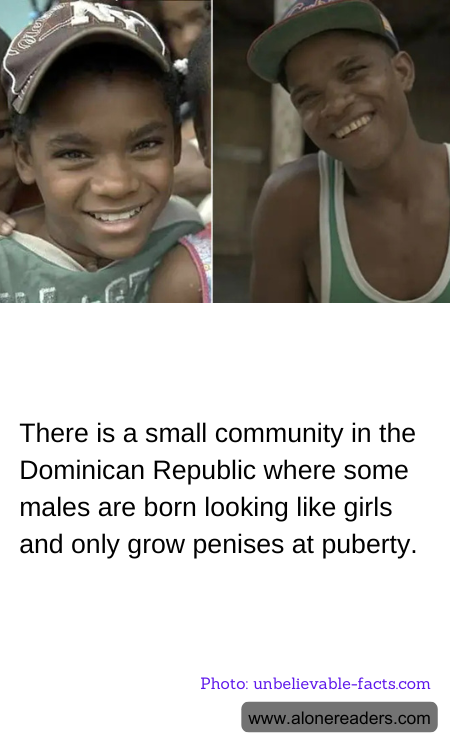
In the small village of Salinas in the Dominican Republic, a unique biological phenomenon has captured the attention of scientists and the public alike. Here, a rare genetic condition known as 5-alpha-reductase deficiency causes some children to be born appearing female, only to develop male physical characteristics during puberty. This intriguing occurrence challenges conventional understandings of gender and biology, offering a fascinating glimpse into the complexities of human development.
The condition, which is inherited, affects the body's ability to convert testosterone into dihydrotestosterone (DHT), a hormone crucial for male sexual development in the womb. As a result, babies with this condition are born with external genitalia that appear female or ambiguous. It is only at puberty, when a surge of testosterone occurs, that these individuals begin to develop male characteristics, such as the growth of a penis and deepening of the voice.
In Salinas, this condition is so prevalent that it has become a recognized part of the community's social fabric. Locally, these individuals are often referred to as "guevedoces," a term derived from Spanish that translates to "penis at twelve." The community's familiarity with the condition means that those affected are generally accepted and supported as they transition into their male identities during adolescence.
The existence of guevedoces has provided valuable insights for scientists studying human sexual development and the role of hormones. Research into this condition has contributed to a broader understanding of how genetic and hormonal factors influence gender identity and physical development. It has also sparked discussions about the nature of gender, challenging binary perceptions and highlighting the spectrum of human diversity.
For the people of Salinas, the presence of guevedoces is a testament to the community's resilience and adaptability. Families and neighbors provide a supportive environment, ensuring that those affected by the condition can navigate their unique developmental journey with dignity and acceptance. This cultural acceptance underscores the importance of community in shaping individual experiences and fostering inclusivity.
The story of the guevedoces of Salinas serves as a reminder of the incredible diversity of human biology and the ways in which communities can embrace and support individuals with unique characteristics. As scientists continue to explore the genetic and hormonal underpinnings of this condition, the village of Salinas stands as a beacon of understanding and acceptance, offering valuable lessons in compassion and the celebration of human differences.
