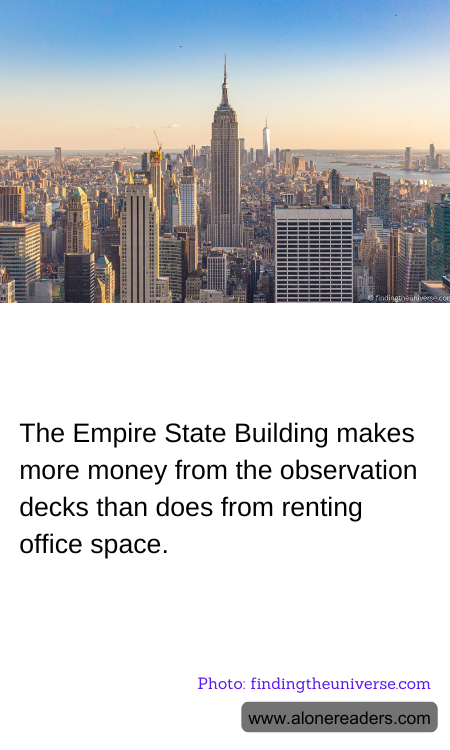
The Empire State Building, an iconic symbol of New York City, is renowned not only for its architectural grandeur but also for its unique business model. While it stands tall as a hub for office spaces, it is the observation decks that have become the building's most lucrative asset. This fascinating shift in revenue streams highlights the evolving nature of urban landmarks and their role in the tourism industry.
The observation decks of the Empire State Building offer breathtaking views of the New York City skyline, attracting millions of visitors from around the globe each year. These decks, located on the 86th and 102nd floors, provide an unparalleled vantage point for tourists eager to capture the essence of the city that never sleeps. The allure of these panoramic views has transformed the observation decks into a significant revenue generator, surpassing the income derived from leasing office spaces within the building.
This phenomenon can be attributed to several factors. Firstly, the Empire State Building's status as a cultural icon makes it a must-visit destination for tourists. The building's rich history, immortalized in films and literature, adds to its mystique and appeal. Visitors are willing to pay a premium for the experience of standing atop one of the world's most famous skyscrapers, and the building's management has capitalized on this demand by offering a range of ticket options, including express passes and VIP experiences.
Moreover, the observation decks have been continually updated to enhance the visitor experience. Recent renovations have introduced state-of-the-art exhibits, interactive displays, and improved viewing areas, ensuring that the attraction remains competitive in a city filled with entertainment options. These enhancements not only attract first-time visitors but also encourage repeat visits, further boosting revenue.
In contrast, the office space market in New York City is highly competitive, with numerous modern skyscrapers offering cutting-edge facilities and amenities. While the Empire State Building remains a prestigious address, the demand for office space has not kept pace with the burgeoning tourism industry. The building's management has recognized this trend and strategically focused on maximizing the potential of its observation decks.
The success of the Empire State Building's observation decks underscores a broader trend in the utilization of iconic landmarks. As urban centers continue to evolve, the ability to adapt and diversify revenue streams becomes crucial. The Empire State Building serves as a prime example of how historical structures can thrive in the modern economy by embracing their cultural significance and catering to the global tourism market.
In conclusion, the Empire State Building's observation decks have emerged as a financial powerhouse, outpacing the revenue generated from traditional office rentals. This shift not only highlights the enduring appeal of the building as a tourist attraction but also reflects the changing dynamics of urban landmarks in the 21st century. As the building continues to captivate visitors with its stunning views and rich history, it remains a testament to the enduring allure of New York City.
