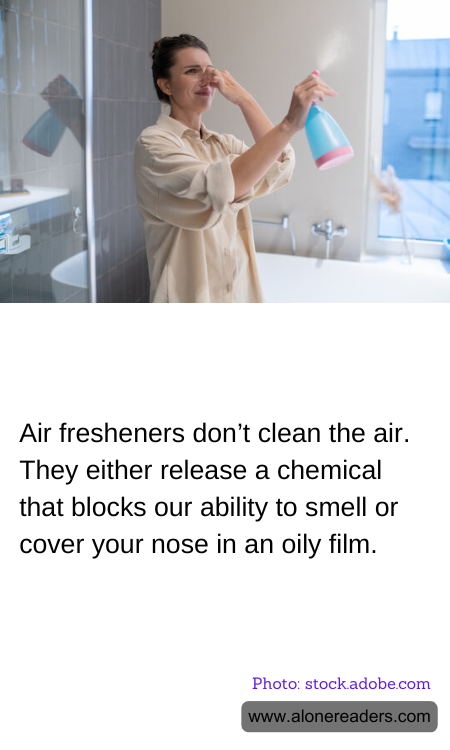
Air fresheners have become a staple in many households, promising to transform our living spaces into fragrant sanctuaries. However, the truth about these products is less about purifying the air and more about masking odors. Contrary to popular belief, air fresheners do not clean the air. Instead, they either release chemicals that interfere with our sense of smell or coat our nasal passages with an oily film, creating the illusion of freshness.
The primary function of many air fresheners is to release chemicals known as phthalates, which can temporarily block our olfactory receptors. This means that rather than eliminating odors, these products simply make it harder for us to detect them. While this might seem like a convenient solution, it raises concerns about the long-term effects of inhaling such chemicals. Phthalates have been linked to various health issues, including respiratory problems and hormone disruption, making their presence in our homes a potential risk, especially for children and pets.
In addition to phthalates, some air fresheners use essential oils or synthetic fragrances to mask unpleasant smells. These substances can create a thin, oily film over the nasal passages, which can dull our sense of smell. While this might provide a temporary sense of relief from bad odors, it does not address the root cause of the problem. Moreover, the accumulation of this oily residue can lead to irritation and discomfort, particularly for individuals with allergies or sensitivities.
The allure of air fresheners lies in their promise of a quick fix, but it's important to consider the implications of their use. Instead of relying on these products, there are more effective and healthier ways to improve indoor air quality. Regular cleaning, proper ventilation, and the use of natural odor absorbers like baking soda or activated charcoal can help maintain a fresh environment without the need for chemical-laden sprays.
For those who enjoy a pleasant scent in their homes, natural alternatives such as essential oil diffusers or homemade potpourri can provide a safer option. These methods not only offer a more authentic fragrance but also avoid the potential health risks associated with synthetic air fresheners.
In conclusion, while air fresheners may offer a quick and easy solution to unpleasant odors, they do not clean the air as many might believe. By understanding the mechanisms behind these products, we can make more informed choices about how to maintain a healthy and pleasant living environment. Embracing natural alternatives and focusing on the root causes of odors can lead to a fresher, safer home for everyone.
