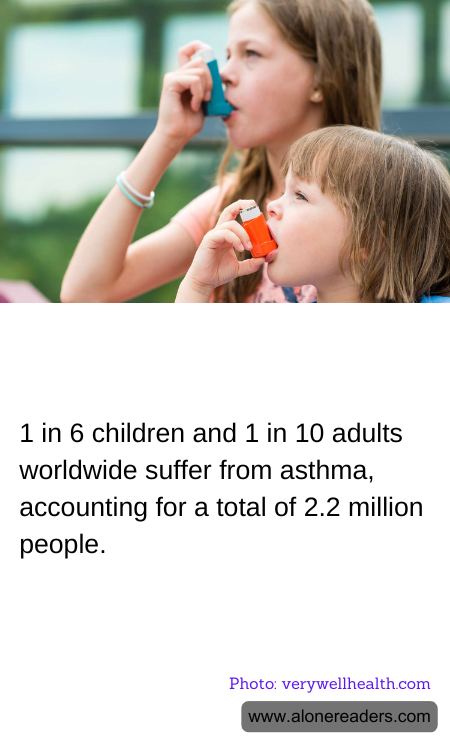
Asthma is a chronic respiratory condition that affects millions of people worldwide, causing significant health challenges and impacting daily life. Recent statistics reveal that 1 in 6 children and 1 in 10 adults globally suffer from asthma, amounting to a staggering 2.2 million individuals. This widespread prevalence underscores the urgent need for increased awareness, better management strategies, and enhanced support systems for those affected by this condition.
Asthma is characterized by inflammation and narrowing of the airways, leading to symptoms such as wheezing, shortness of breath, chest tightness, and coughing. These symptoms can vary in severity and frequency, often triggered by factors like allergens, pollution, exercise, and stress. For children, asthma can be particularly challenging, as it may interfere with their ability to participate in physical activities, attend school regularly, and enjoy a normal childhood. The condition can also place a significant emotional and financial burden on families, as they navigate healthcare needs and potential lifestyle adjustments.
The high prevalence of asthma among children and adults highlights the importance of early diagnosis and effective management. For many, asthma can be controlled with a combination of medications, such as inhalers, and lifestyle modifications. Regular medical check-ups and personalized asthma action plans are crucial in helping individuals manage their symptoms and prevent severe asthma attacks. Education plays a vital role in empowering patients and their families to recognize triggers, adhere to treatment plans, and seek timely medical intervention when necessary.
Environmental factors also play a significant role in the prevalence and management of asthma. Air pollution, tobacco smoke, and exposure to allergens like dust mites, pet dander, and mold can exacerbate symptoms and increase the risk of asthma attacks. Therefore, efforts to improve air quality and reduce exposure to known triggers are essential components of public health strategies aimed at reducing the burden of asthma. Communities and policymakers must work together to create healthier environments that support individuals with asthma and reduce the incidence of respiratory conditions.
In addition to medical and environmental interventions, raising awareness about asthma is crucial in fostering a supportive community for those affected. Public education campaigns can help dispel myths, reduce stigma, and encourage empathy and understanding. Schools, workplaces, and community organizations can play a pivotal role in providing resources and support for individuals with asthma, ensuring they have the tools and knowledge to lead healthy, active lives.
As the global community continues to grapple with the challenges posed by asthma, it is essential to prioritize research and innovation in treatment and management strategies. By investing in scientific advancements and fostering collaboration among healthcare providers, researchers, and policymakers, we can work towards a future where asthma is no longer a barrier to a fulfilling life. Through collective efforts, we can improve the quality of life for the millions of children and adults living with asthma worldwide, ensuring they have the opportunity to breathe easier and thrive.
