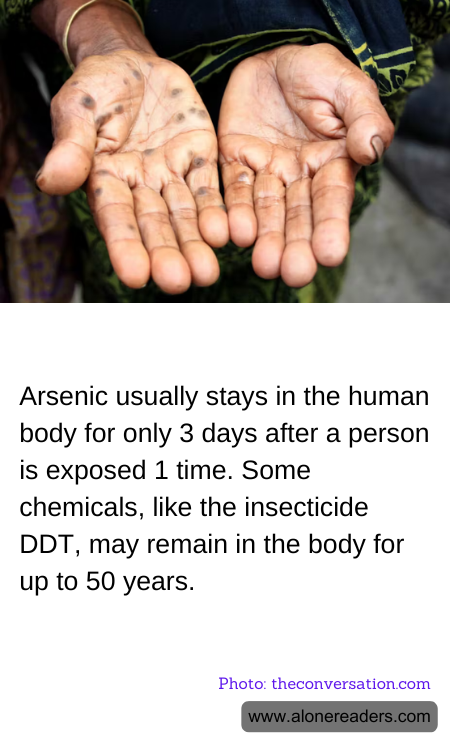
Arsenic and DDT are two chemicals that have significantly different impacts on the human body, particularly in terms of how long they remain after exposure. Understanding these differences is crucial for assessing potential health risks and implementing effective safety measures.
Arsenic is a naturally occurring element that can be found in water, air, and soil. It is often associated with industrial processes and can also be present in some foods. When a person is exposed to arsenic, the body typically processes and eliminates it relatively quickly. Most of the arsenic is excreted through urine, and it usually stays in the body for only about three days after a single exposure. This rapid elimination reduces the risk of long-term health effects from occasional exposure. However, chronic exposure to arsenic, particularly through contaminated drinking water, can lead to serious health issues, including skin lesions, cancer, and cardiovascular diseases.
In contrast, DDT (dichloro-diphenyl-trichloroethane) is a synthetic insecticide that was widely used in agriculture and for controlling mosquito populations. Although its use has been banned or restricted in many countries due to environmental and health concerns, DDT is notorious for its persistence in the environment and the human body. Unlike arsenic, DDT can remain in the body for up to 50 years. This is because DDT is stored in fatty tissues and is not easily broken down or excreted. The long-term presence of DDT in the body has been linked to various health problems, including cancer, reproductive issues, and developmental delays in children.
The stark contrast between the retention times of arsenic and DDT highlights the importance of understanding the properties of different chemicals and their potential impacts on health. While arsenic's quick elimination might seem reassuring, it does not negate the dangers of prolonged exposure. On the other hand, the persistence of DDT in the body underscores the need for caution and regulation in the use of chemicals that can accumulate over time.
Public awareness and education about these substances are vital for minimizing exposure and preventing health risks. For arsenic, this means ensuring access to clean drinking water and monitoring food sources. For DDT and similar chemicals, it involves adhering to regulatory guidelines and exploring safer alternatives for pest control. By understanding how these chemicals interact with the human body, individuals and communities can make informed decisions to protect their health and well-being.
