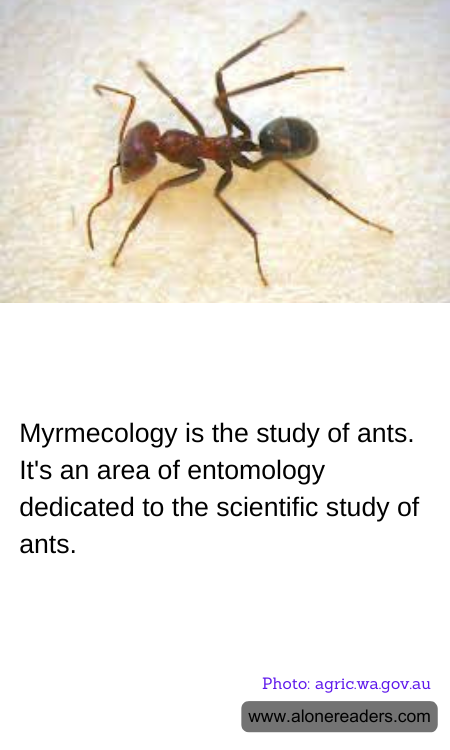
Myrmecology, a fascinating branch of entomology, delves into the intricate world of ants. These tiny yet remarkably complex creatures have captivated scientists and nature enthusiasts alike for centuries. Myrmecologists, the scientists who specialize in this field, explore various aspects of ant life, from their social structures and behaviors to their ecological impacts and evolutionary history.
Ants are among the most successful organisms on Earth, with over 12,000 known species and estimates suggesting many more yet to be discovered. They inhabit almost every corner of the globe, thriving in diverse environments ranging from tropical rainforests to arid deserts. This adaptability is largely due to their highly organized social systems. Ant colonies operate as superorganisms, with individuals working collectively to ensure the survival and prosperity of the group. This social complexity is a primary focus of myrmecological studies, as researchers seek to understand how these systems function and evolve.
One of the most intriguing aspects of ant society is their division of labor. Within a colony, ants assume specific roles, such as workers, soldiers, or queens, each contributing to the colony's overall success. Workers are responsible for foraging, caring for the young, and maintaining the nest, while soldiers defend the colony from threats. The queen's primary role is reproduction, ensuring the continuity of the colony. This specialization allows ants to efficiently manage resources and adapt to changing environmental conditions.
Myrmecologists also study the communication methods ants use to coordinate their activities. Ants primarily rely on chemical signals known as pheromones to convey information. These pheromones can indicate a food source, signal danger, or even help maintain social order within the colony. By understanding these communication systems, scientists gain insights into how ants solve complex problems and make collective decisions.
Beyond their social structures, ants play crucial roles in ecosystems. They are vital for processes such as soil aeration, seed dispersal, and the control of pest populations. Ants contribute to nutrient cycling by breaking down organic matter, which enriches the soil and supports plant growth. Their interactions with other species, including plants, fungi, and animals, highlight the interconnectedness of ecosystems and the importance of biodiversity.
The study of ants also offers broader implications for science and technology. Insights gained from myrmecology have inspired advancements in fields such as robotics, where researchers mimic ant behavior to develop efficient algorithms for swarm robotics. These technologies have potential applications in areas ranging from search and rescue operations to environmental monitoring.
Myrmecology continues to be a dynamic and evolving field, with new discoveries constantly reshaping our understanding of these remarkable insects. As scientists uncover the secrets of ant societies, they not only deepen our appreciation for the natural world but also provide valuable lessons in cooperation, resilience, and adaptation. Whether through their complex social structures or their ecological contributions, ants remind us of the intricate and interconnected nature of life on Earth.
