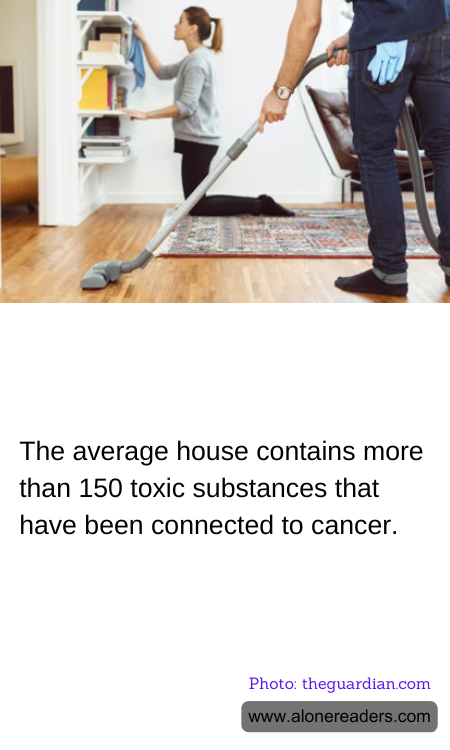
In recent years, growing awareness about the presence of toxic substances in our everyday environment has sparked concern among homeowners and health experts alike. It is alarming to learn that the average house contains more than 150 toxic substances, many of which have been linked to cancer. These substances can be found in a variety of household items, from cleaning products to building materials, and even in the air we breathe indoors.
One of the most common sources of these toxic substances is household cleaning products. Many of these products contain chemicals such as formaldehyde, ammonia, and chlorine, which can emit harmful fumes. When used regularly, these chemicals can accumulate in the air and on surfaces, posing a risk to the health of those living in the home. It is advisable to opt for natural or eco-friendly cleaning alternatives that are free from harsh chemicals to reduce exposure.
Building materials and furnishings are another significant source of toxic substances in the home. Materials such as pressed wood products, carpeting, and certain types of paint can release volatile organic compounds (VOCs) into the air. VOCs are known to contribute to indoor air pollution and have been associated with various health issues, including respiratory problems and cancer. Choosing low-VOC or VOC-free products when renovating or furnishing a home can help mitigate these risks.
Indoor air quality is further compromised by the presence of radon, a naturally occurring radioactive gas that can seep into homes through cracks in the foundation. Radon is the second leading cause of lung cancer after smoking, making it crucial for homeowners to test for and mitigate radon levels in their homes. Simple measures such as sealing cracks and improving ventilation can significantly reduce radon levels.
Personal care products and cosmetics are also culprits when it comes to introducing toxic substances into the home. Many of these products contain parabens, phthalates, and other chemicals that have been linked to hormone disruption and cancer. Reading labels and choosing products that are free from these harmful ingredients can help reduce exposure.
While it may seem daunting to address the presence of toxic substances in the home, taking proactive steps can make a significant difference. Regularly ventilating living spaces, using air purifiers, and incorporating houseplants known for their air-purifying properties can improve indoor air quality. Additionally, being mindful of the products brought into the home and opting for safer alternatives can help create a healthier living environment.
In conclusion, the presence of over 150 toxic substances in the average home is a concerning reality that underscores the importance of awareness and action. By making informed choices and adopting healthier practices, homeowners can significantly reduce their exposure to these harmful substances and contribute to a safer, healthier living environment for themselves and their families.
