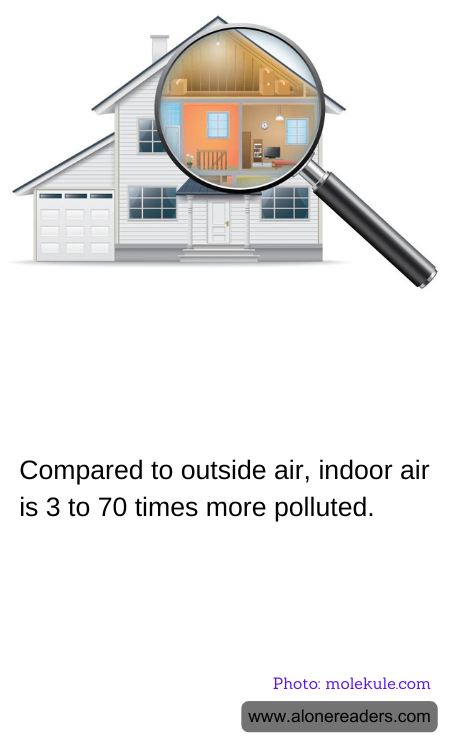
In recent years, the quality of indoor air has become a significant concern for health experts and environmentalists alike. Surprisingly, studies have shown that indoor air can be 3 to 70 times more polluted than the air outside. This alarming statistic highlights the need for increased awareness and action to improve the air quality within our homes, schools, and workplaces.
The primary reason for the disparity between indoor and outdoor air quality is the accumulation of pollutants in enclosed spaces. Indoor environments often contain a variety of sources that contribute to air pollution, including household cleaning products, building materials, and even furniture. Volatile organic compounds (VOCs) emitted from paints, varnishes, and cleaning agents can linger in the air, leading to potential health risks. Additionally, everyday activities such as cooking and smoking can release harmful particles and gases into the indoor atmosphere.
Another significant contributor to indoor air pollution is inadequate ventilation. Many modern buildings are designed to be energy-efficient, which often means they are tightly sealed to prevent air from escaping. While this can reduce energy costs, it also limits the exchange of indoor and outdoor air, allowing pollutants to build up over time. Without proper ventilation, contaminants such as carbon monoxide, radon, and mold spores can reach dangerous levels, posing serious health risks to occupants.
The health implications of poor indoor air quality are profound and can affect individuals of all ages. Short-term exposure to indoor air pollutants can cause symptoms such as headaches, dizziness, and irritation of the eyes, nose, and throat. Long-term exposure, however, can lead to more severe health issues, including respiratory diseases, heart conditions, and even cancer. Children, the elderly, and those with pre-existing health conditions are particularly vulnerable to the effects of indoor air pollution.
To combat indoor air pollution, it is crucial to adopt strategies that improve air quality. Regularly ventilating spaces by opening windows and using exhaust fans can help reduce the concentration of indoor pollutants. Additionally, using air purifiers equipped with HEPA filters can effectively capture airborne particles, providing cleaner air to breathe. Choosing low-VOC products and maintaining a clean living environment can also significantly reduce the presence of harmful substances indoors.
Raising awareness about the importance of indoor air quality is essential for fostering healthier living environments. By understanding the sources and effects of indoor air pollution, individuals can take proactive steps to protect themselves and their families. As we spend a significant portion of our lives indoors, ensuring the air we breathe is clean and safe is a vital component of maintaining overall well-being.
