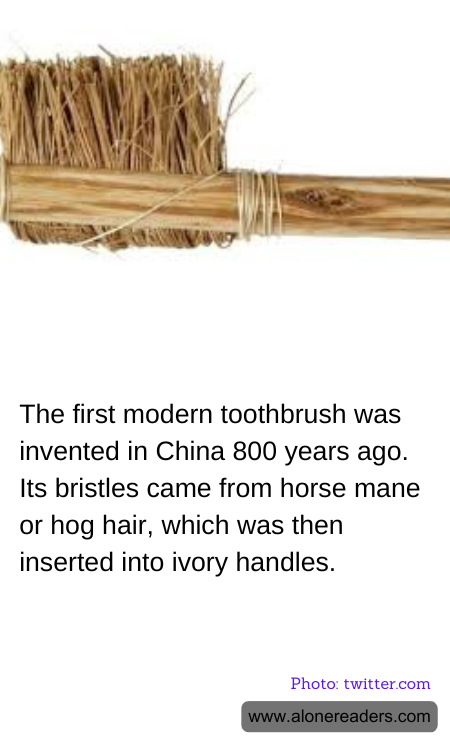
The history of the toothbrush is a fascinating journey that takes us back to ancient civilizations, where oral hygiene was a concern long before the advent of modern dentistry. Among the most significant milestones in this journey is the invention of the first modern toothbrush in China approximately 800 years ago. This ingenious creation laid the foundation for the toothbrushes we use today, highlighting the innovative spirit of early Chinese inventors.
The first modern toothbrush, as we understand it, emerged during the Tang Dynasty, around the 9th century. This period was marked by significant advancements in various fields, including technology and medicine. The Chinese, known for their meticulous attention to detail and craftsmanship, developed a toothbrush that was both functional and durable. The bristles of this early toothbrush were crafted from the mane of horses or the hair of hogs, chosen for their firmness and ability to effectively clean teeth. These bristles were then carefully inserted into handles made of ivory, a material prized for its elegance and strength.
The choice of materials for the first toothbrush was not arbitrary. Horse mane and hog hair were readily available and provided the necessary stiffness to remove food particles and plaque from teeth. Ivory, on the other hand, was a symbol of luxury and status, making the toothbrush not only a tool for hygiene but also a statement of wealth and sophistication. This combination of practicality and opulence reflects the cultural values of the time, where personal grooming was intertwined with social standing.
The introduction of the toothbrush in China marked a significant advancement in personal hygiene practices. Prior to this invention, people used various methods to clean their teeth, such as chewing sticks or rubbing them with cloth. The toothbrush offered a more efficient and effective solution, leading to its gradual adoption across different regions. As trade routes expanded, the concept of the toothbrush spread to other parts of the world, influencing oral hygiene practices globally.
Over the centuries, the design and materials of toothbrushes have evolved significantly. The use of animal hair was eventually replaced by synthetic fibers, and handles are now commonly made from plastic or bamboo. Despite these changes, the fundamental concept of the toothbrush remains rooted in its Chinese origins. The innovation of using bristles attached to a handle continues to be the cornerstone of oral hygiene tools today.
The invention of the first modern toothbrush in China is a testament to human ingenuity and the enduring quest for better health practices. It serves as a reminder of how a simple yet effective tool can have a lasting impact on society, shaping the way we care for our teeth and contributing to our overall well-being. As we continue to innovate and improve upon this ancient design, we owe a debt of gratitude to the early Chinese inventors who first envisioned the toothbrush as we know it.
