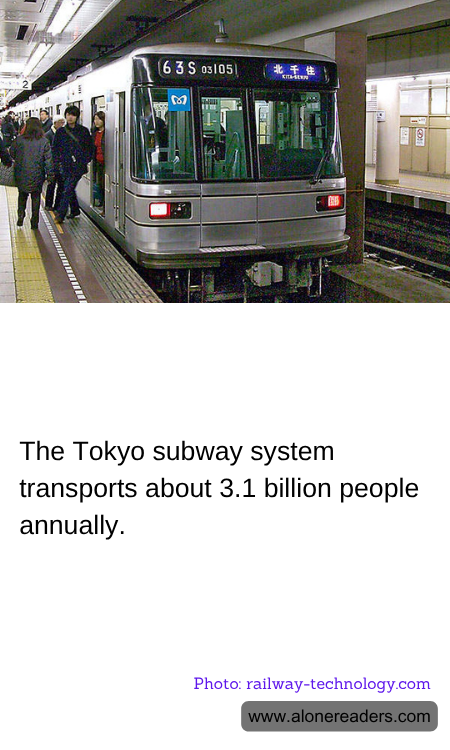
The Tokyo subway system is a marvel of modern engineering and efficiency, transporting approximately 3.1 billion passengers annually. This staggering figure underscores the pivotal role the subway plays in the daily lives of Tokyo's residents and visitors alike. As one of the busiest and most extensive subway systems in the world, it serves as a vital artery for the city, ensuring seamless connectivity across its sprawling urban landscape.
The success of the Tokyo subway system can be attributed to its meticulous design and operation. With over 300 stations and more than 13 lines crisscrossing the city, the network is a testament to Japan's commitment to punctuality and precision. Trains are known for their remarkable timeliness, often arriving and departing within seconds of their scheduled times. This reliability is crucial in a city where millions depend on public transportation to commute to work, school, and other daily activities.
Beyond its efficiency, the Tokyo subway system is also renowned for its cleanliness and safety. Stations and trains are meticulously maintained, reflecting the high standards of public hygiene that Japan is known for. Security measures are robust, with surveillance systems and personnel ensuring a safe environment for all passengers. This attention to detail contributes to the overall pleasant experience of using the subway, making it a preferred mode of transport for many.
The subway system is not only a means of transportation but also a cultural experience. Each station is uniquely designed, often featuring art installations and thematic decorations that reflect the character of the surrounding neighborhood. This adds an element of discovery and delight for passengers, who can enjoy a visual feast as they travel from one part of the city to another. Additionally, the subway is a microcosm of Tokyo's diverse population, offering a glimpse into the daily lives of its residents.
For tourists, the Tokyo subway system is an indispensable tool for exploring the city. It provides easy access to major attractions, shopping districts, and cultural sites, making it an essential part of any travel itinerary. The system is user-friendly, with multilingual signage and helpful staff available to assist non-Japanese speakers. This accessibility ensures that visitors can navigate the city with ease, enhancing their overall experience.
In conclusion, the Tokyo subway system is more than just a transportation network; it is a symbol of the city's dynamism and efficiency. By moving 3.1 billion people annually, it plays a crucial role in sustaining the vibrant life of Tokyo. Whether for daily commutes or leisurely exploration, the subway remains an integral part of the Tokyo experience, embodying the spirit of innovation and excellence that defines Japan.
