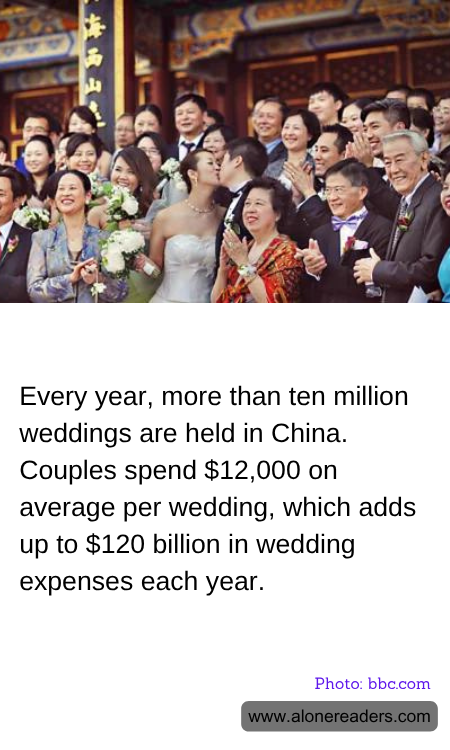
Every year, China witnesses a staggering number of weddings, with over ten million couples tying the knot. This remarkable figure not only highlights the cultural significance of marriage in Chinese society but also underscores the economic impact of the wedding industry. On average, couples spend approximately $12,000 on their weddings, contributing to a colossal $120 billion in annual wedding expenses. This expenditure reflects a blend of tradition, modernity, and the desire to create memorable experiences.
The Chinese wedding industry is a vibrant tapestry of customs and contemporary trends. Traditional elements such as tea ceremonies, red attire symbolizing good luck, and elaborate banquets are often seamlessly integrated with modern touches like destination weddings and themed celebrations. This fusion of old and new allows couples to honor their heritage while expressing their individuality. The financial commitment to weddings is seen as an investment in the couple's future, with families often contributing significantly to ensure a grand celebration.
The economic ripple effect of this industry is profound. From florists and photographers to caterers and venue operators, a multitude of businesses thrive on the wedding boom. The demand for luxury items such as designer dresses, high-end jewelry, and lavish venues has spurred growth in related sectors. Additionally, the rise of social media has amplified the desire for picture-perfect weddings, further fueling expenditure as couples strive to create share-worthy moments.
Despite the hefty price tag, many couples view their wedding day as a once-in-a-lifetime event worth the splurge. The emphasis on creating a unique and unforgettable experience often leads to personalized touches, such as custom decorations and bespoke entertainment. This personalization trend is not only a testament to the evolving nature of weddings but also a reflection of the broader societal shift towards individual expression.
However, the financial burden of weddings is not without its challenges. As costs continue to rise, some couples are seeking more budget-friendly alternatives, such as smaller, more intimate gatherings or opting for off-peak wedding dates. This shift is indicative of a growing awareness of financial sustainability and the importance of starting married life without the weight of excessive debt.
In conclusion, the wedding industry in China is a dynamic and multifaceted sector that plays a significant role in the country's economy. While the tradition of lavish celebrations persists, there is a noticeable trend towards balancing opulence with practicality. As couples navigate the complexities of wedding planning, the industry will likely continue to evolve, adapting to the changing preferences and financial realities of modern society.
