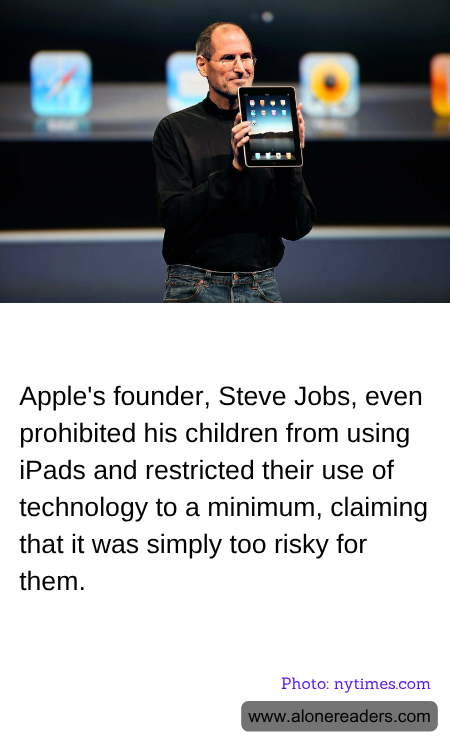
Steve Jobs, the visionary co-founder of Apple Inc., is often celebrated for his role in revolutionizing the technology industry with groundbreaking products like the iPhone, iPad, and MacBook. However, despite his pivotal role in bringing these devices to the forefront of modern life, Jobs held a surprisingly cautious stance when it came to his own children's use of technology. This paradoxical approach has sparked discussions about the potential risks associated with excessive screen time and digital engagement, especially for young minds.
Jobs was known for his minimalist lifestyle and his belief in the power of simplicity, which extended to his parenting philosophy. In interviews, he revealed that he limited his children's access to technology, including the very devices he helped create. The rationale behind this decision was rooted in his concerns about the potential negative impacts of technology on children's development. Jobs feared that excessive use of gadgets like the iPad could lead to a lack of creativity, reduced attention spans, and diminished interpersonal skills.
This perspective aligns with growing research that suggests excessive screen time can have adverse effects on children's cognitive and emotional development. Studies have shown that overexposure to digital devices can lead to issues such as sleep deprivation, increased anxiety, and impaired social interactions. By restricting his children's use of technology, Jobs aimed to foster an environment where they could engage in more traditional forms of play, reading, and face-to-face communication, which he believed were crucial for their overall growth and well-being.
Jobs' approach to parenting highlights a broader conversation about the role of technology in our lives. As digital devices become increasingly integrated into daily routines, parents and educators are grappling with how to balance the benefits of technology with its potential drawbacks. While technology offers unparalleled access to information and educational resources, it also poses challenges in terms of managing screen time and ensuring that children develop healthy habits.
In an era where technology is ubiquitous, Jobs' decision to limit his children's exposure serves as a reminder of the importance of moderation. It encourages parents to be mindful of how technology is used within the household and to prioritize activities that promote creativity, critical thinking, and meaningful human connections. By setting boundaries and encouraging a balanced lifestyle, parents can help their children navigate the digital world while preserving the essential elements of childhood that contribute to their holistic development.
Ultimately, Steve Jobs' cautious approach to technology use in his family underscores the need for thoughtful consideration of how digital devices are integrated into our lives. It challenges us to reflect on the role technology plays in shaping the next generation and to strive for a balance that nurtures both technological proficiency and the timeless values of creativity, empathy, and human connection.
