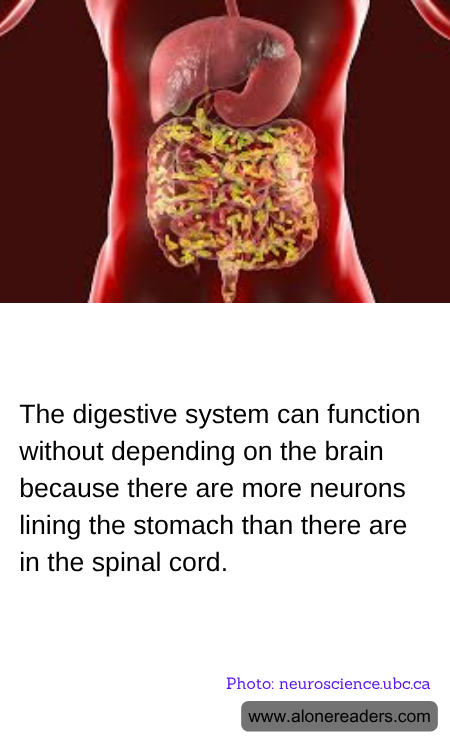
The human body is a marvel of biological engineering, with each system intricately designed to perform its functions efficiently. Among these, the digestive system stands out for its unique ability to operate independently of the brain, thanks to the vast network of neurons lining the stomach and intestines. This network, often referred to as the "second brain," is known scientifically as the enteric nervous system (ENS).
The enteric nervous system is a complex web of neurons that governs the function of the gastrointestinal tract. It is estimated that there are over 100 million neurons in the gut, more than those found in the spinal cord. This abundance of neurons allows the digestive system to perform its tasks autonomously, without direct input from the brain. The ENS is responsible for managing the intricate processes of digestion, including the movement of food through the digestive tract, the secretion of digestive enzymes, and the absorption of nutrients.
One of the most fascinating aspects of the ENS is its ability to communicate with the brain, yet operate independently. This communication occurs via the vagus nerve, which acts as a two-way communication highway between the gut and the brain. While the brain can influence digestive processes, such as altering gut motility in response to stress, the ENS can also send signals back to the brain, influencing mood and behavior. This bidirectional communication is why the gut is often referred to as the "second brain."
The independence of the ENS is particularly beneficial in situations where the brain's attention is required elsewhere. For instance, during periods of intense concentration or stress, the brain can focus on immediate challenges, while the ENS continues to manage digestion seamlessly. This autonomy ensures that the body continues to receive the nutrients it needs, regardless of external circumstances.
Moreover, the ENS plays a crucial role in maintaining the body's internal balance, or homeostasis. It responds to changes in the internal environment, such as the presence of food or changes in pH levels, by adjusting digestive processes accordingly. This adaptability is vital for the efficient functioning of the digestive system and the overall health of the individual.
In recent years, research into the ENS has revealed its potential impact on various health conditions, including irritable bowel syndrome (IBS) and other gastrointestinal disorders. Understanding the ENS's role in these conditions could lead to new treatments that target the gut-brain axis, offering relief to millions of people worldwide.
In conclusion, the enteric nervous system is a testament to the body's incredible ability to function independently and efficiently. Its vast network of neurons allows the digestive system to operate autonomously, ensuring that the body continues to receive the nourishment it needs, even when the brain is preoccupied. This remarkable system not only highlights the complexity of human biology but also opens up new avenues for understanding and treating various health conditions.
