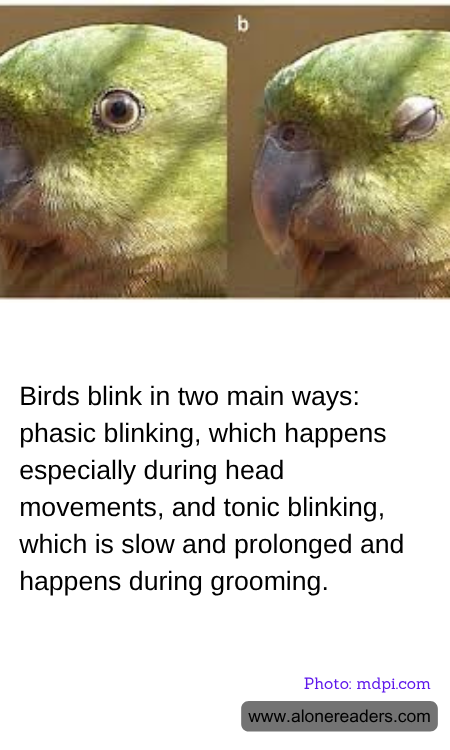
Birds, with their vibrant plumage and melodic songs, captivate the attention of nature enthusiasts and casual observers alike. Yet, beyond their striking appearances and enchanting calls, birds possess fascinating physiological traits that often go unnoticed. One such intriguing feature is their blinking behavior, which serves as a vital function in maintaining eye health and facilitating various activities. Birds primarily blink in two distinct ways: phasic blinking and tonic blinking, each serving unique purposes in their daily lives.
Phasic blinking is a rapid and reflexive action that occurs predominantly during head movements. This type of blinking is essential for protecting the bird's eyes from potential hazards as they navigate their environment. When a bird moves its head, whether to scan for predators or to focus on a potential meal, phasic blinking acts as a quick shield, ensuring that dust, debris, or sudden changes in light do not harm the sensitive eye tissues. This rapid blinking is akin to a reflex, much like the way humans blink when something approaches their eyes unexpectedly. It is a testament to the bird's evolutionary adaptation, allowing them to maintain clear vision while remaining vigilant in their surroundings.
In contrast, tonic blinking is characterized by its slow and prolonged nature. This type of blinking is often observed during grooming sessions, a crucial activity for birds to maintain their feathers and overall hygiene. Tonic blinking allows birds to moisten their eyes and spread essential oils across the eye surface, which is vital for keeping their eyes healthy and free from infections. During grooming, birds meticulously preen their feathers, and tonic blinking complements this process by ensuring their eyes are equally cared for. This slow blinking not only aids in eye lubrication but also provides a moment of relaxation and respite, allowing birds to momentarily disengage from their often hectic and alert state.
The dual blinking mechanisms of birds highlight the complexity and adaptability of their biology. While phasic blinking ensures immediate protection during dynamic movements, tonic blinking supports long-term eye health and comfort. This duality reflects the intricate balance birds maintain between being alert to their environment and attending to their physiological needs.
Understanding these blinking behaviors offers a glimpse into the sophisticated world of avian life. It underscores the importance of seemingly simple actions that play critical roles in survival and well-being. For bird watchers and enthusiasts, recognizing these subtle behaviors enriches the experience of observing these creatures, providing deeper insights into their daily lives and the evolutionary marvels that enable them to thrive in diverse habitats. As we continue to study and appreciate birds, their blinking patterns remind us of the delicate interplay between form and function in the natural world.
