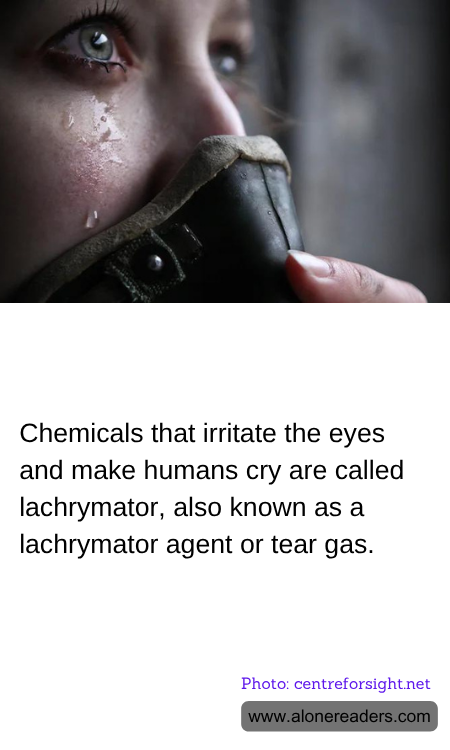
Lachrymators, commonly known as tear gas, are chemical compounds that cause irritation to the eyes, leading to tears, pain, and even temporary blindness. These substances have been used for various purposes, ranging from crowd control to personal defense, due to their ability to incapacitate individuals without causing permanent harm. Despite their widespread use, the effects and ethical implications of lachrymators continue to be subjects of debate.
The primary action of lachrymators is to stimulate the corneal nerves in the eyes, which results in a burning sensation and the production of tears. This reaction is the body's natural defense mechanism, attempting to flush out the irritant. Common lachrymators include compounds such as chloroacetophenone (CN), chlorobenzylidenemalononitrile (CS), and oleoresin capsicum (OC), which is derived from chili peppers. Each of these chemicals has a slightly different composition and effect, but they all share the common trait of causing discomfort and temporary incapacitation.
Tear gas is often employed by law enforcement agencies for crowd control during protests or riots. Its non-lethal nature makes it a preferred choice over more severe measures. However, its use is not without controversy. Critics argue that tear gas can cause severe health issues, especially for individuals with pre-existing respiratory conditions. Prolonged exposure can lead to more serious consequences, such as chemical burns or respiratory distress. Furthermore, the use of tear gas in confined spaces can amplify its effects, posing significant risks to those exposed.
In addition to law enforcement, lachrymators are also used in personal defense products, such as pepper spray. These products are marketed for self-defense, providing individuals with a means to protect themselves from potential attackers. The effectiveness of pepper spray lies in its ability to cause immediate discomfort, allowing the user to escape from a threatening situation. However, users must be cautious, as improper use or accidental exposure can lead to unintended harm.
The ethical considerations surrounding the use of lachrymators are complex. While they offer a non-lethal option for controlling situations, their potential for misuse and the health risks they pose cannot be ignored. International regulations on the use of tear gas vary, with some countries imposing strict guidelines to ensure its responsible use. Public discourse continues to evolve as more research is conducted on the long-term effects of these chemicals.
In conclusion, lachrymators play a significant role in both law enforcement and personal defense. Their ability to incapacitate without causing permanent harm makes them a valuable tool, yet their use must be carefully managed to prevent abuse and minimize health risks. As society continues to grapple with the balance between safety and ethical responsibility, the conversation around tear gas and similar agents remains as relevant as ever.
