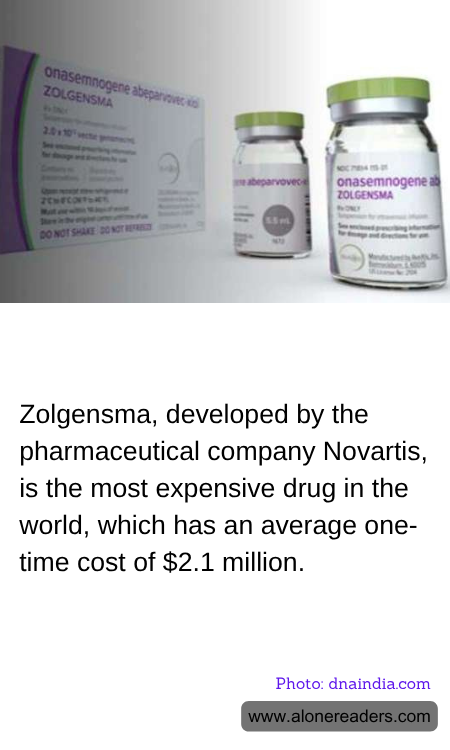
Zolgensma, a groundbreaking gene therapy developed by the pharmaceutical giant Novartis, has captured global attention not only for its innovative approach to treating spinal muscular atrophy (SMA) but also for its staggering price tag. With an average one-time cost of $2.1 million, Zolgensma holds the title of the most expensive drug in the world. This hefty price reflects both the complexity of its development and the transformative potential it offers to patients suffering from this rare genetic disorder.
Spinal muscular atrophy is a debilitating condition that primarily affects infants and young children, leading to severe muscle weakness and, in many cases, early mortality. Traditional treatments have been limited, often focusing on managing symptoms rather than addressing the root cause of the disease. Zolgensma, however, represents a paradigm shift in treatment. It works by delivering a functional copy of the SMN1 gene, which is defective in SMA patients, directly into the patient's cells. This one-time infusion aims to halt the progression of the disease, offering the possibility of a normal life to those affected.
The development of Zolgensma was a complex and costly endeavor, involving years of research and clinical trials. The high cost of the drug is partly attributed to the sophisticated technology required to produce it and the extensive regulatory processes it underwent to ensure its safety and efficacy. Moreover, gene therapies like Zolgensma are tailored to specific genetic conditions, which means they are not mass-produced like traditional pharmaceuticals. This specificity, while beneficial for patients, contributes to the high cost.
Despite its price, Zolgensma has been hailed as a medical breakthrough. For families affected by SMA, the drug offers hope where there was previously little. The potential to significantly improve the quality of life for children with SMA and extend their lifespan is invaluable. However, the cost poses significant challenges for healthcare systems and families alike. Insurance coverage varies widely, and not all patients have access to the financial resources necessary to afford such a treatment.
The introduction of Zolgensma has sparked important discussions about the pricing of life-saving medications and the balance between innovation and accessibility. While Novartis has implemented programs to assist with the cost, the broader issue of drug pricing remains a contentious topic. As more gene therapies enter the market, the pharmaceutical industry, healthcare providers, and policymakers must work together to find solutions that ensure these groundbreaking treatments are accessible to all who need them.
In conclusion, Zolgensma stands as a testament to the incredible advancements in medical science, offering hope to those affected by spinal muscular atrophy. However, its status as the most expensive drug in the world highlights the ongoing challenges in making such innovations accessible to all. As the landscape of gene therapy continues to evolve, it is crucial to address these challenges to ensure that the benefits of scientific progress are shared equitably.
