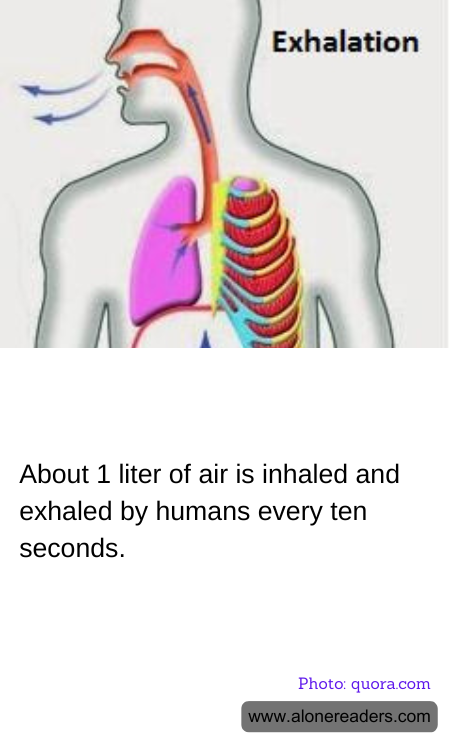
Breathing is a fundamental process that sustains life, yet it often goes unnoticed in our daily routines. Every ten seconds, humans inhale and exhale approximately one liter of air, a rhythmic cycle that underscores the efficiency and elegance of the respiratory system. This seemingly simple act is a complex interplay of biological processes that ensures our bodies receive the oxygen needed to function while expelling carbon dioxide, a waste product of metabolism.
The journey of air begins as it enters through the nose or mouth, where it is warmed and filtered. Tiny hairs and mucus in the nasal passages trap dust and other particles, protecting the delicate tissues of the respiratory system. The air then travels down the trachea, a sturdy tube that divides into two bronchi, each leading to a lung. Within the lungs, the bronchi further branch into smaller tubes called bronchioles, culminating in clusters of tiny air sacs known as alveoli. It is here, in the alveoli, that the critical exchange of gases occurs. Oxygen from the inhaled air diffuses into the bloodstream, while carbon dioxide from the blood diffuses into the alveoli to be exhaled.
This process is driven by the diaphragm, a dome-shaped muscle located beneath the lungs. As the diaphragm contracts, it flattens and moves downward, creating a vacuum that draws air into the lungs. When the diaphragm relaxes, it returns to its dome shape, pushing air out of the lungs. This cycle of contraction and relaxation happens effortlessly, allowing us to breathe without conscious thought.
Breathing not only sustains life by providing oxygen but also plays a role in regulating body temperature and maintaining acid-base balance. The rate and depth of breathing can change in response to various factors, such as physical activity, emotional state, and environmental conditions. For instance, during exercise, the body's demand for oxygen increases, prompting faster and deeper breaths to meet this need. Similarly, stress or anxiety can lead to rapid, shallow breathing, while calmness and relaxation often result in slower, deeper breaths.
Understanding the mechanics of breathing can enhance our appreciation for this vital process and encourage practices that support respiratory health. Simple activities like regular exercise, deep breathing exercises, and maintaining good posture can improve lung capacity and efficiency. Additionally, avoiding pollutants and smoking can protect the respiratory system from damage and disease.
In conclusion, the act of inhaling and exhaling about one liter of air every ten seconds is a testament to the remarkable design of the human body. This continuous exchange of gases is essential for life, supporting not only our physical health but also our overall well-being. By nurturing our respiratory system, we can ensure that this vital process continues to function optimally, allowing us to breathe easy and live fully.
