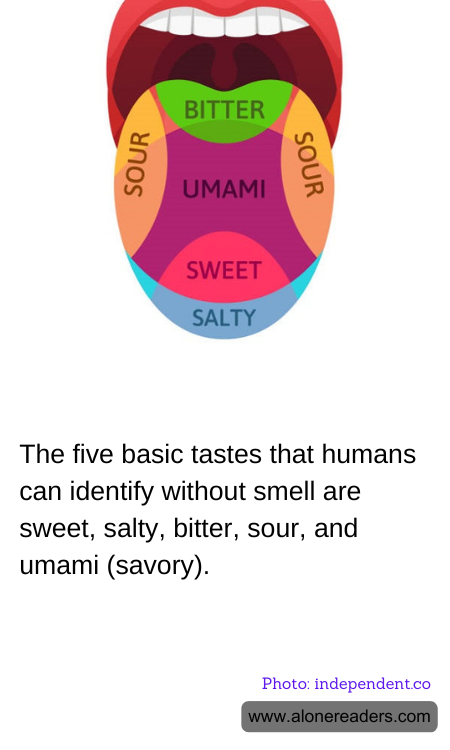
The human sense of taste is a fascinating and complex system that allows us to experience a wide range of flavors. Despite the complexity of flavors we encounter, our taste buds are primarily responsible for detecting five basic tastes: sweet, salty, bitter, sour, and umami. These tastes are fundamental to our perception of food and play a crucial role in our dietary choices and nutritional intake.
Sweetness is often associated with energy-rich foods. It is the taste that signals the presence of sugars, which are a primary source of energy for the body. Sweet foods are generally appealing to humans, which is why fruits, desserts, and other sugary treats are so popular. The preference for sweet flavors is thought to have evolved as a survival mechanism, encouraging the consumption of calorie-dense foods.
Saltiness is another basic taste that is essential for maintaining the body's electrolyte balance. Salt, or sodium chloride, is vital for nerve function and muscle contraction. The craving for salty foods can be attributed to the body's need to maintain a proper balance of fluids and electrolytes. Foods such as chips, pretzels, and salted nuts are popular because they satisfy this innate desire for salt.
Bitterness is often perceived as an unpleasant taste, but it serves an important purpose. Many toxic substances found in nature are bitter, so the ability to detect bitterness can help protect us from consuming harmful foods. However, some bitter foods, like coffee, dark chocolate, and certain vegetables, are not only safe but also beneficial to health. Over time, people can develop a taste for bitterness, appreciating the complexity it adds to food and drink.
Sourness is the taste associated with acidity. It is commonly found in citrus fruits like lemons and limes, as well as in fermented foods like yogurt and sauerkraut. The sour taste can indicate the presence of vitamin C, an essential nutrient, and can also signal spoilage in foods, helping us avoid consuming something that might be harmful. Sour flavors can add a refreshing and tangy element to dishes, making them more interesting and enjoyable.
Umami, often described as a savory or meaty taste, is the most recently recognized basic taste. It is associated with the presence of glutamates, which are amino acids found in protein-rich foods. Umami enhances the flavor of dishes and is commonly found in foods like mushrooms, tomatoes, cheese, and soy sauce. This taste is particularly important in cuisines around the world, adding depth and richness to a wide variety of dishes.
Together, these five basic tastes form the foundation of our culinary experiences. They interact with each other and with our sense of smell to create the diverse and complex flavors we enjoy. Understanding these tastes can enhance our appreciation of food and help us make healthier dietary choices. Whether savoring a sweet dessert, enjoying a salty snack, or relishing the umami in a savory dish, the basic tastes are integral to the joy of eating.
