The human body is a marvel of biological engineering, with each part serving a unique purpose. Among its many wonders is the skin, the body's largest organ, which varies in thickness depending on its location and function. The soles of your feet and your eyelids are two areas where this variation is most pronounced, each adapted to meet specific needs.
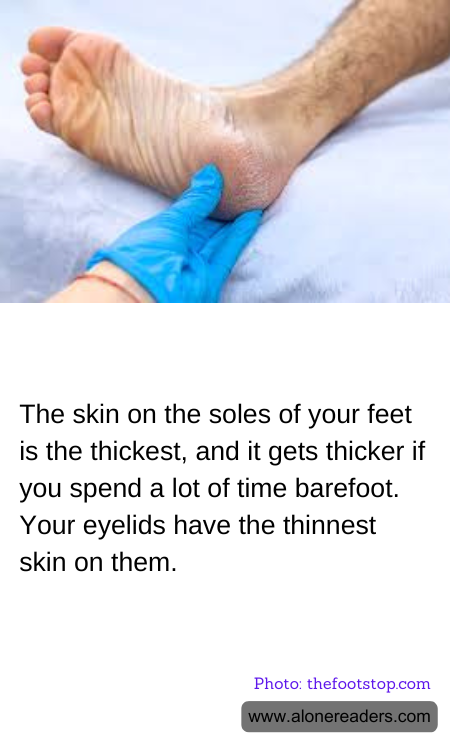
The skin on the soles of your feet is the thickest on the human body, a testament to its role in providing protection and support. This thickness is essential for withstanding the constant pressure and friction that comes with standing, walking, and running. The soles are equipped to handle these stresses, offering a durable barrier against the rough surfaces we encounter daily. Interestingly, this skin can become even thicker if you spend a lot of time barefoot. This natural adaptation is the body's way of fortifying itself against potential injuries and abrasions, creating a tougher shield to protect the sensitive tissues beneath.
In contrast, the skin on your eyelids is the thinnest, a mere fraction of a millimeter thick. This delicate skin is designed for flexibility and sensitivity, allowing for the rapid and frequent movements necessary for blinking and protecting the eyes. The thinness of the eyelid skin also facilitates the subtle expressions that are crucial for non-verbal communication. Despite its fragility, this skin is remarkably resilient, capable of withstanding the daily exposure to environmental elements and the constant motion of blinking.
The contrast between the thick skin of the feet and the thin skin of the eyelids highlights the body's incredible ability to adapt to different functional demands. While the soles of the feet are built for endurance and protection, the eyelids are crafted for sensitivity and agility. This variation is a perfect example of how the human body optimizes itself for efficiency and survival.
Understanding these differences not only deepens our appreciation for the body's complexity but also underscores the importance of caring for our skin appropriately. For instance, those who frequently go barefoot might need to pay extra attention to moisturizing and exfoliating their feet to prevent excessive callus formation. Similarly, the delicate skin around the eyes requires gentle care to maintain its health and elasticity.
In essence, the skin's varying thickness across the body is a testament to its adaptability and specialized functions. Whether it's the robust soles of our feet or the fragile eyelids, each serves a purpose that is crucial to our daily lives. By recognizing and respecting these differences, we can better care for our skin and appreciate the intricate design of the human body.
