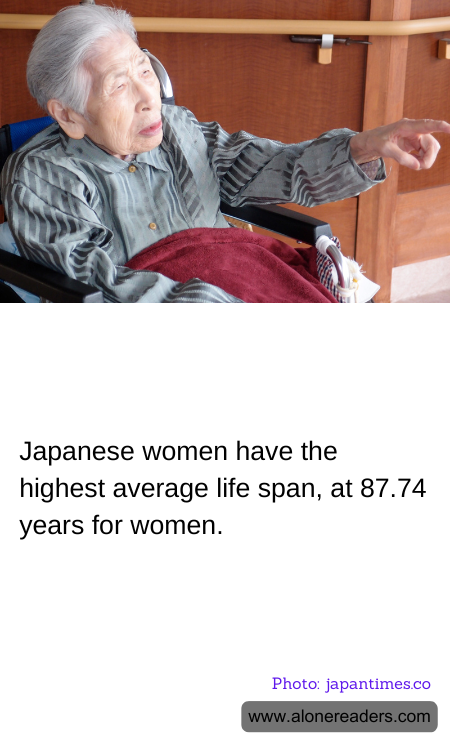
Japanese women have long been celebrated for their remarkable longevity, boasting an average life expectancy of 87.74 years. This impressive statistic not only highlights the health and vitality of Japanese women but also offers a glimpse into the cultural, dietary, and lifestyle factors that contribute to such longevity. Understanding these elements can provide valuable insights for those seeking to enhance their own quality of life and longevity.
One of the most significant factors contributing to the longevity of Japanese women is their diet. The traditional Japanese diet is rich in fish, vegetables, and rice, with a strong emphasis on fresh, seasonal ingredients. Fish, a staple in the Japanese diet, is high in omega-3 fatty acids, which are known to promote heart health and reduce inflammation. Additionally, the consumption of soy products, such as tofu and miso, provides essential nutrients and has been linked to lower rates of heart disease and certain cancers. The Japanese diet is also characterized by smaller portion sizes and a lower intake of red meat and processed foods, which helps maintain a healthy weight and reduces the risk of chronic diseases.
Beyond diet, the lifestyle and cultural practices of Japanese women play a crucial role in their longevity. Physical activity is an integral part of daily life in Japan, with many people walking or cycling as a primary mode of transportation. This regular physical activity helps maintain cardiovascular health, muscle strength, and overall fitness. Moreover, traditional practices such as yoga and tai chi are popular among older adults, promoting flexibility, balance, and mental well-being.
Social connections and community involvement are also vital components of the Japanese way of life. Japanese culture places a strong emphasis on family and community, with multi-generational households being common. This social structure provides emotional support and reduces feelings of isolation, which have been shown to have a positive impact on mental health and longevity. Additionally, the concept of "ikigai," or a sense of purpose in life, is deeply ingrained in Japanese culture. Having a reason to get up in the morning and engage with the world is believed to contribute significantly to both mental and physical health.
Healthcare access and public health policies in Japan further support the longevity of its population. Japan has a highly efficient healthcare system that emphasizes preventive care and early intervention. Regular health check-ups and screenings are encouraged, allowing for the early detection and treatment of potential health issues. This proactive approach to healthcare, combined with a strong public health infrastructure, ensures that Japanese women receive the care they need to maintain their health and well-being throughout their lives.
In conclusion, the longevity of Japanese women is a testament to the power of a balanced diet, active lifestyle, strong social connections, and effective healthcare. While genetics undoubtedly play a role, the choices and habits cultivated throughout life are equally important. By adopting some of these practices, individuals around the world can potentially enhance their own health and longevity, drawing inspiration from the remarkable example set by Japanese women.
