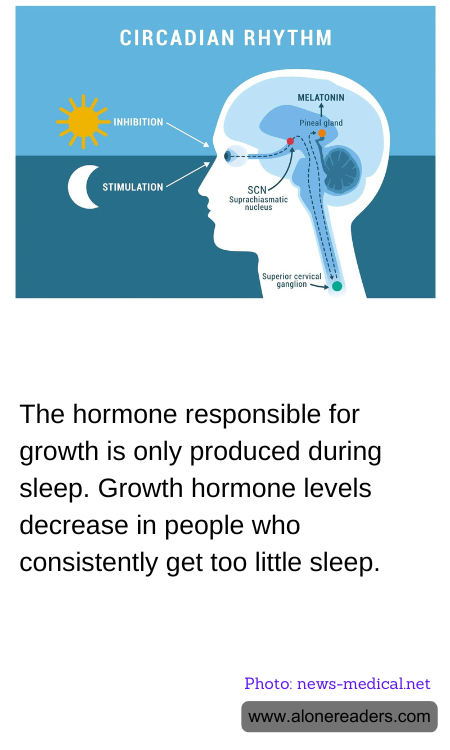
In the intricate world of human biology, hormones play a pivotal role in regulating various bodily functions, and one of the most fascinating among them is the growth hormone. This hormone, scientifically known as somatotropin, is crucial for growth, cell repair, and metabolism. Interestingly, its production is intricately linked to sleep, a fact that underscores the importance of a good night's rest for overall health and development.
Growth hormone is predominantly secreted by the pituitary gland, a pea-sized organ located at the base of the brain. Its production is not constant throughout the day but follows a specific rhythm, with the most significant release occurring during deep sleep stages. This nocturnal surge is vital for children and adolescents, as it supports their rapid growth and development. However, it also plays a crucial role in adults by aiding in tissue repair, muscle growth, and maintaining a healthy metabolism.
The connection between sleep and growth hormone production highlights the importance of adequate rest. When individuals consistently fail to get enough sleep, the secretion of growth hormone can be significantly impaired. This reduction can have various adverse effects, particularly in children and teenagers, potentially stunting their growth and affecting their overall development. In adults, insufficient growth hormone levels can lead to increased fat accumulation, decreased muscle mass, and a higher risk of metabolic disorders.
Chronic sleep deprivation has become a common issue in modern society, often driven by busy lifestyles, stress, and the pervasive use of electronic devices. This lack of sleep not only affects cognitive function and mood but also disrupts the delicate hormonal balance necessary for optimal health. The decrease in growth hormone levels due to inadequate sleep can exacerbate these issues, leading to a vicious cycle of poor health outcomes.
To ensure optimal growth hormone production, it is essential to prioritize good sleep hygiene. This includes maintaining a regular sleep schedule, creating a restful sleeping environment, and minimizing exposure to screens before bedtime. Additionally, engaging in regular physical activity and managing stress can further support healthy sleep patterns and, consequently, the natural production of growth hormone.
In conclusion, the relationship between sleep and growth hormone production is a compelling reminder of the body's interconnected systems. Adequate sleep is not merely a luxury but a necessity for maintaining health and well-being across all ages. By understanding and respecting the body's natural rhythms, individuals can foster an environment conducive to growth, repair, and overall vitality. As research continues to unravel the complexities of sleep and hormone production, it becomes increasingly clear that a good night's sleep is one of the most powerful tools for promoting health and longevity.
