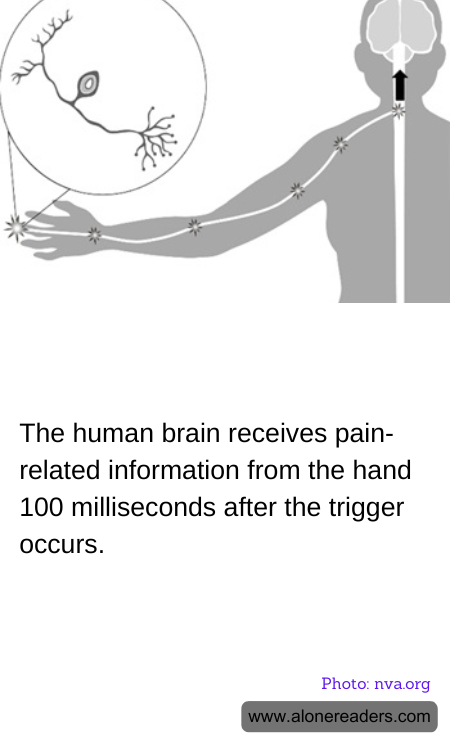
The human brain is a marvel of biological engineering, capable of processing vast amounts of information with remarkable speed and efficiency. One of its critical functions is the ability to perceive and respond to pain, a mechanism that is essential for survival. Recent studies have shown that the brain receives pain-related information from the hand a mere 100 milliseconds after the trigger occurs. This rapid transmission highlights the intricate and efficient communication network within our bodies.
When a person touches a hot surface or experiences a sharp object, sensory receptors in the skin, known as nociceptors, are activated. These specialized nerve endings are responsible for detecting potentially harmful stimuli. Once activated, they send electrical signals through the peripheral nervous system towards the spinal cord and, ultimately, the brain. This journey, though seemingly instantaneous, is a complex process that involves multiple steps and pathways.
The speed at which the brain receives pain signals is crucial for initiating a quick response to potential threats. Within 100 milliseconds, the brain processes the incoming information and begins to formulate a response. This rapid processing allows individuals to react almost immediately, often resulting in reflexive actions such as withdrawing the hand from a hot object. Such swift reactions are vital for minimizing injury and protecting the body from further harm.
Understanding the speed of pain signal transmission also sheds light on the brain's remarkable ability to prioritize information. The brain is constantly bombarded with sensory data from various parts of the body, yet it can swiftly identify and respond to pain signals. This prioritization ensures that the body can react to immediate dangers without delay, demonstrating the brain's role as a vigilant guardian of our well-being.
Moreover, the study of pain perception and transmission has significant implications for medical science. By understanding how quickly and efficiently pain signals are processed, researchers can develop better pain management strategies and treatments. This knowledge can lead to advancements in addressing chronic pain conditions, improving the quality of life for millions of individuals worldwide.
In conclusion, the brain's ability to receive pain-related information from the hand within 100 milliseconds is a testament to the efficiency and complexity of the human nervous system. This rapid communication ensures that the body can respond promptly to potential threats, highlighting the brain's role in safeguarding our health. As research continues to unravel the mysteries of pain perception, it holds the promise of enhancing medical treatments and deepening our understanding of the human body's remarkable capabilities.
