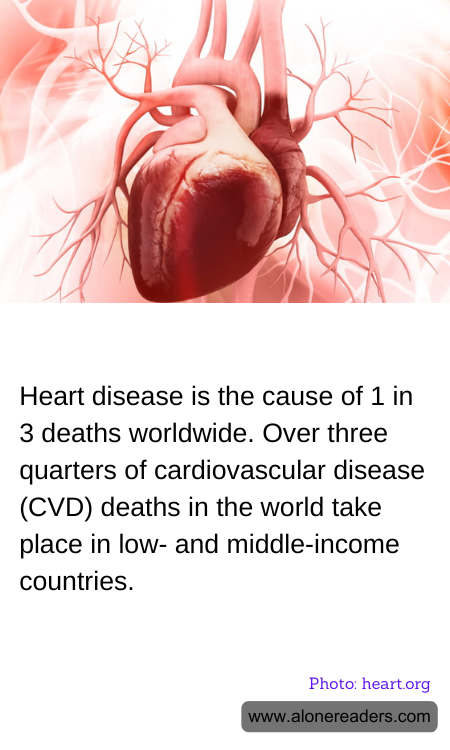
Heart disease remains a leading cause of mortality worldwide, claiming the lives of one in three individuals. This staggering statistic underscores the pervasive nature of cardiovascular disease (CVD) and its impact on global health. Despite advancements in medical science and increased awareness, the burden of heart disease continues to grow, particularly in low- and middle-income countries where over three-quarters of these deaths occur.
The prevalence of heart disease in these regions can be attributed to several factors. Limited access to healthcare services and resources often means that individuals do not receive timely diagnosis or treatment. Preventive measures, such as regular health check-ups and lifestyle modifications, are less accessible, leading to a higher incidence of risk factors like hypertension, diabetes, and obesity. Additionally, the lack of public health infrastructure and education contributes to a lower awareness of heart disease and its prevention.
Economic challenges further exacerbate the situation. In many low- and middle-income countries, the cost of healthcare can be prohibitive, preventing individuals from seeking necessary medical attention. This financial barrier often results in delayed treatment, which can lead to more severe health outcomes. Moreover, the economic burden of heart disease extends beyond individual families, impacting national economies due to lost productivity and increased healthcare costs.
Addressing the global heart disease crisis requires a multifaceted approach. Governments and international organizations must work together to improve healthcare access and affordability. This includes investing in healthcare infrastructure, training healthcare professionals, and implementing policies that promote heart health. Public health campaigns can play a crucial role in raising awareness about the importance of a healthy lifestyle, including a balanced diet, regular exercise, and smoking cessation.
Community-based interventions can also be effective in reducing the incidence of heart disease. By involving local communities in health promotion activities, individuals can be empowered to take charge of their health. Programs that focus on educating people about the risk factors and symptoms of heart disease can lead to earlier detection and treatment, ultimately saving lives.
In conclusion, while heart disease remains a significant global health challenge, particularly in low- and middle-income countries, there is hope. Through concerted efforts to improve healthcare access, raise awareness, and promote healthy lifestyles, the tide of cardiovascular disease can be turned. It is imperative that we continue to prioritize heart health on the global agenda, ensuring that everyone, regardless of their economic status, has the opportunity to lead a healthy and fulfilling life.
