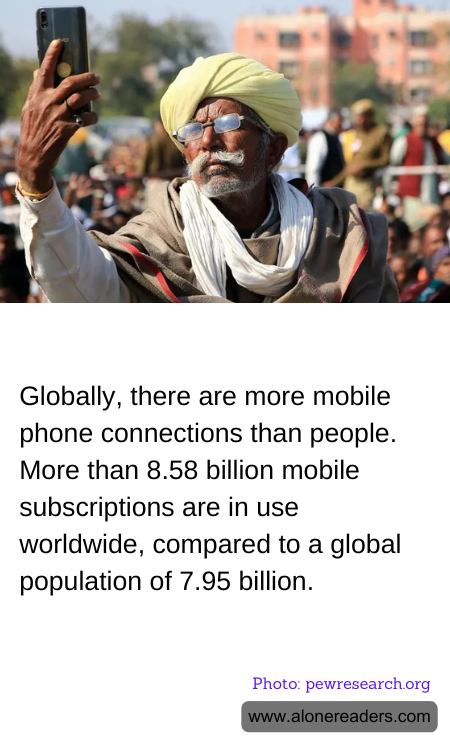
In today's interconnected world, the ubiquity of mobile phones has reached an unprecedented level. With more than 8.58 billion mobile subscriptions in use globally, the number of mobile connections now surpasses the total global population of approximately 7.95 billion. This remarkable statistic underscores the profound impact mobile technology has had on modern society, reshaping how we communicate, access information, and conduct our daily lives.
The proliferation of mobile phones can be attributed to several factors. Firstly, the rapid advancement in technology has made mobile devices more affordable and accessible to a broader audience. In many regions, mobile phones have become essential tools, not only for communication but also for accessing the internet, banking services, and educational resources. This is particularly significant in developing countries, where mobile phones often serve as the primary means of connecting to the digital world.
Moreover, the versatility of mobile phones has contributed to their widespread adoption. From basic feature phones to sophisticated smartphones, these devices cater to a wide range of needs and preferences. They have evolved from mere communication tools to multifunctional gadgets that support a myriad of applications, including social media, navigation, and entertainment. This versatility has made mobile phones indispensable in both personal and professional settings.
Interestingly, the fact that there are more mobile subscriptions than people can be partly explained by the prevalence of multiple device ownership. Many individuals own more than one mobile device, such as a smartphone and a tablet, or maintain separate phones for personal and work use. Additionally, businesses often provide employees with mobile devices, further contributing to the high number of subscriptions.
The implications of this trend are far-reaching. On the positive side, the widespread availability of mobile phones has facilitated greater connectivity and access to information, empowering individuals and communities worldwide. It has also spurred innovation and economic growth, with mobile technology playing a crucial role in sectors such as healthcare, education, and commerce.
However, this phenomenon also presents challenges. The environmental impact of producing and disposing of billions of mobile devices is a growing concern, as is the digital divide that persists in certain regions. While mobile technology has the potential to bridge gaps, disparities in access and affordability can exacerbate existing inequalities.
As we continue to navigate the digital age, the role of mobile phones in our lives will undoubtedly evolve. The challenge lies in harnessing their potential to foster inclusive growth and sustainable development while addressing the associated challenges. By doing so, we can ensure that the benefits of mobile technology are shared by all, contributing to a more connected and equitable world.
