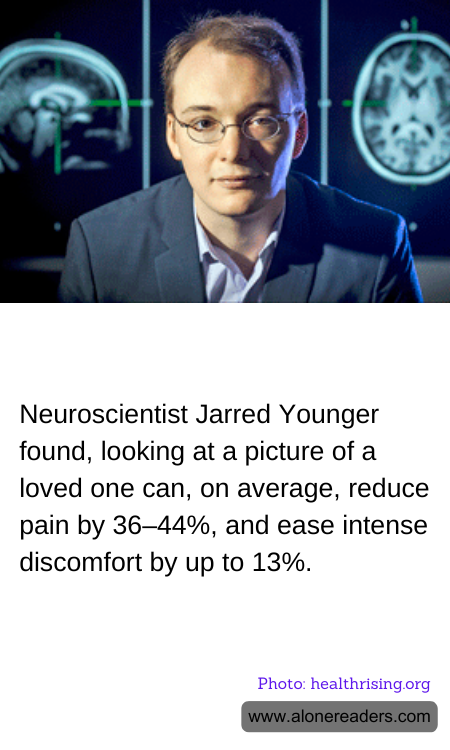
In the realm of pain management, where pharmaceuticals and therapies often dominate the conversation, a groundbreaking discovery by neuroscientist Jarred Younger offers a refreshing perspective. His research suggests that the simple act of looking at a picture of a loved one can significantly alleviate pain, reducing it by an average of 36–44% and easing intense discomfort by up to 13%. This finding not only highlights the profound connection between emotional and physical well-being but also opens up new avenues for non-invasive pain relief strategies.
The concept that love and emotional bonds can influence physical health is not entirely new. However, Younger's research provides concrete evidence of how powerful these connections can be. The study involved participants who were subjected to controlled pain stimuli while being shown images of their loved ones. The results were remarkable, demonstrating that the mere presence of a loved one's image can trigger the brain's reward centers, releasing endorphins and other chemicals that naturally mitigate pain.
This discovery is particularly significant in today's world, where chronic pain affects millions and often leads to a reliance on medications that can have adverse side effects. By incorporating emotional and psychological elements into pain management, individuals can potentially reduce their dependence on pharmaceuticals. This approach not only offers a more holistic method of treatment but also emphasizes the importance of nurturing personal relationships as a means of enhancing overall health.
Moreover, Younger's findings have broader implications for healthcare practices. Hospitals and clinics could integrate this knowledge into patient care, creating environments that encourage the presence of loved ones or personal items that evoke positive emotions. Such practices could enhance patient recovery and improve the overall healthcare experience, making it more compassionate and patient-centered.
For individuals, this research underscores the importance of maintaining strong emotional connections. In times of pain or discomfort, reaching out to loved ones or simply keeping a cherished photograph nearby could serve as a powerful tool for relief. It also encourages a shift in how we perceive pain management, recognizing that emotional support and love are not just comforting but can have tangible, physiological benefits.
In conclusion, Jarred Younger's research offers a compelling reminder of the intricate link between mind and body. By harnessing the power of love and emotional bonds, we can explore new, non-invasive methods of pain relief that are both effective and enriching. As we continue to understand the complexities of human health, such insights remind us of the simple yet profound impact that love and connection can have on our well-being.
