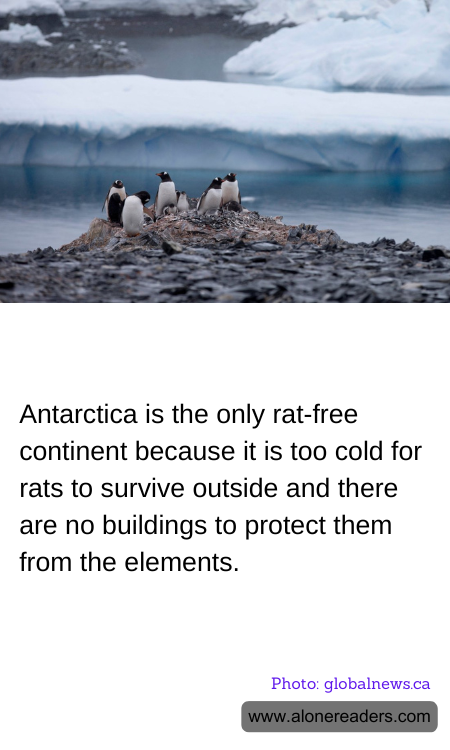
Antarctica, the southernmost continent, is a land of extremes. It is the coldest, driest, and windiest continent on Earth, with temperatures that can plummet to a bone-chilling minus 128.6 degrees Fahrenheit. This harsh environment is inhospitable to many forms of life, including one of the most adaptable and widespread mammals on the planet: the rat. Remarkably, Antarctica remains the only rat-free continent, a status it maintains due to its severe climate and lack of human infrastructure.
Rats are known for their resilience and ability to thrive in diverse environments, from bustling urban centers to remote rural areas. However, the extreme cold of Antarctica presents insurmountable challenges for these rodents. Unlike other continents, where rats can find shelter in buildings or burrow underground to escape the elements, Antarctica offers no such refuge. The continent is devoid of permanent human settlements, and the few research stations scattered across its icy expanse are meticulously maintained to prevent any accidental introduction of invasive species.
The absence of rats in Antarctica is not just a matter of environmental curiosity; it is a critical aspect of preserving the continent's unique ecosystem. Rats are notorious for their destructive impact on native wildlife, particularly in island environments where they have been introduced. They prey on eggs and young birds, often leading to the decline or extinction of native species. In Antarctica, where the ecosystem is already fragile and highly specialized, the introduction of rats could have catastrophic consequences for native species such as penguins and seabirds.
Efforts to keep Antarctica rat-free are part of a broader commitment to preserving the continent's pristine environment. The Antarctic Treaty System, an international agreement signed by multiple countries, includes provisions to protect the continent's ecosystem from human impact. This includes strict biosecurity measures to prevent the introduction of non-native species, such as rats, which could disrupt the delicate balance of life in this frozen wilderness.
In a world where human activity has led to the spread of invasive species across the globe, Antarctica stands as a rare example of a place untouched by such influences. Its rat-free status is a testament to the continent's extreme conditions and the concerted efforts of the international community to protect its unique environment. As climate change and increased human activity pose new challenges, maintaining Antarctica's rat-free status will require ongoing vigilance and cooperation. For now, however, the continent remains a sanctuary, free from the scurrying presence of rats, and a reminder of the importance of preserving the natural world in its most unspoiled form.
