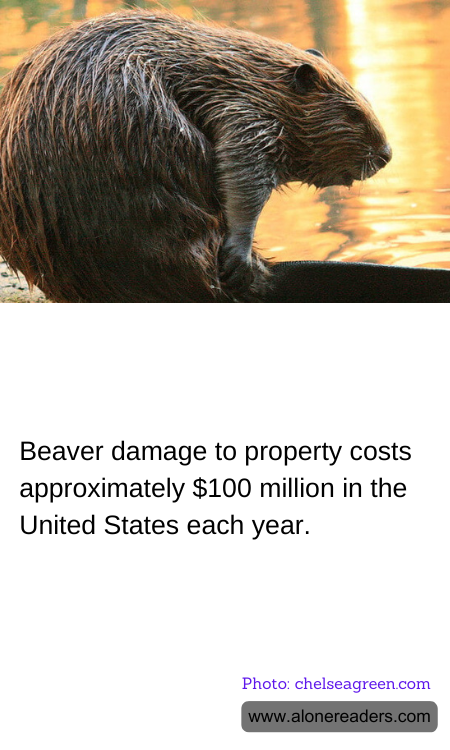
Beavers, often celebrated for their industrious nature and ecological contributions, are also the source of significant economic challenges in the United States. Each year, these industrious rodents are responsible for approximately $100 million in property damage, a figure that underscores the complex relationship between humans and wildlife. While beavers play a crucial role in creating wetlands and supporting biodiversity, their natural behaviors can lead to unintended consequences for human infrastructure and land use.
The primary cause of beaver-related damage is their instinctual drive to build dams. These structures, while beneficial for creating wetland habitats, can lead to flooding of agricultural lands, roads, and residential areas. The resulting water damage can be extensive, affecting crops, weakening road foundations, and even threatening homes. In agricultural regions, the flooding caused by beaver dams can lead to significant crop losses, impacting farmers' livelihoods and local economies. Additionally, the costs associated with repairing roads and other infrastructure damaged by flooding can be substantial, placing a financial burden on local governments and taxpayers.
Beyond flooding, beavers also cause damage through their feeding habits. They are known to fell trees to construct their dams and lodges, which can lead to the destruction of valuable timber resources and ornamental trees in urban and suburban areas. This tree loss not only affects the aesthetic and ecological value of landscapes but also incurs costs related to tree removal and replacement. In some cases, beaver activity can also interfere with drainage systems and water management infrastructure, leading to further complications and expenses.
Efforts to manage beaver populations and mitigate their impact are varied and often complex. Some communities have turned to non-lethal methods, such as installing flow devices that allow water to bypass beaver dams without destroying them. These solutions aim to balance the ecological benefits of beaver activity with the need to protect human property. In other cases, relocation or population control measures are employed, though these can be controversial and require careful consideration of ethical and environmental factors.
Public awareness and education are crucial components in addressing beaver-related challenges. By understanding the ecological role of beavers and the reasons behind their behaviors, communities can develop more effective and humane strategies for coexistence. Encouraging dialogue between landowners, conservationists, and local authorities can lead to innovative solutions that protect both human interests and wildlife habitats.
In conclusion, while beavers are an integral part of North America's natural landscape, their activities can lead to significant economic costs. Balancing the ecological benefits they provide with the need to protect human property requires a nuanced approach that considers both the environmental and economic implications. Through collaboration and innovative management strategies, it is possible to reduce the financial impact of beaver damage while preserving the vital ecosystems they help sustain.
