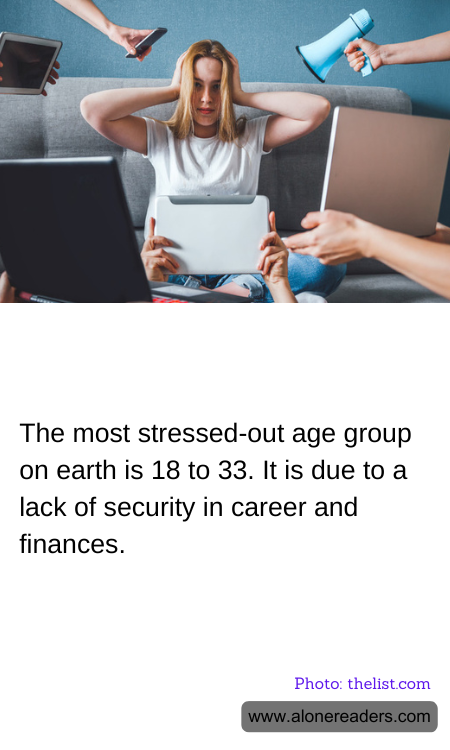
In today's fast-paced world, stress has become an almost ubiquitous part of life, affecting individuals across all age groups. However, recent studies have highlighted that the age group most susceptible to stress is between 18 to 33 years old. This demographic, often referred to as Millennials and Generation Z, is grappling with unprecedented levels of anxiety, primarily due to insecurities surrounding career and financial stability.
The transition from adolescence to adulthood is a pivotal phase marked by significant life decisions and responsibilities. For many in this age group, the pressure to establish a successful career is immense. The job market is more competitive than ever, with technological advancements and globalization reshaping industries and job roles at a rapid pace. Young adults are often faced with the daunting task of securing employment that not only aligns with their educational background and personal interests but also offers financial stability and growth opportunities. The fear of underemployment or unemployment looms large, exacerbating stress levels.
Financial insecurity further compounds the stress experienced by this age group. Many young adults are burdened with student loans and debts, which can take years to pay off. The rising cost of living, coupled with stagnant wages, makes it challenging for them to save for the future or invest in significant life milestones such as buying a home or starting a family. The pressure to maintain a certain lifestyle, often influenced by social media, adds another layer of financial strain, leading to a vicious cycle of stress and anxiety.
Moreover, the societal expectations placed on young adults to "have it all figured out" by a certain age can be overwhelming. The constant comparison with peers, fueled by the curated lives showcased on social media platforms, can lead to feelings of inadequacy and self-doubt. This comparison culture can detract from personal achievements and milestones, making individuals feel as though they are perpetually falling short.
To mitigate these stressors, it is crucial for young adults to seek support and develop coping mechanisms. Open conversations about mental health, career counseling, and financial literacy can provide much-needed guidance and reassurance. Employers can also play a significant role by fostering supportive work environments that prioritize employee well-being and offer opportunities for professional development.
In conclusion, while the age group of 18 to 33 faces unique challenges in today's world, understanding the root causes of their stress can pave the way for effective solutions. By addressing career and financial insecurities and promoting a culture of support and understanding, society can help alleviate the burden of stress on young adults, enabling them to navigate this critical phase of life with confidence and resilience.
