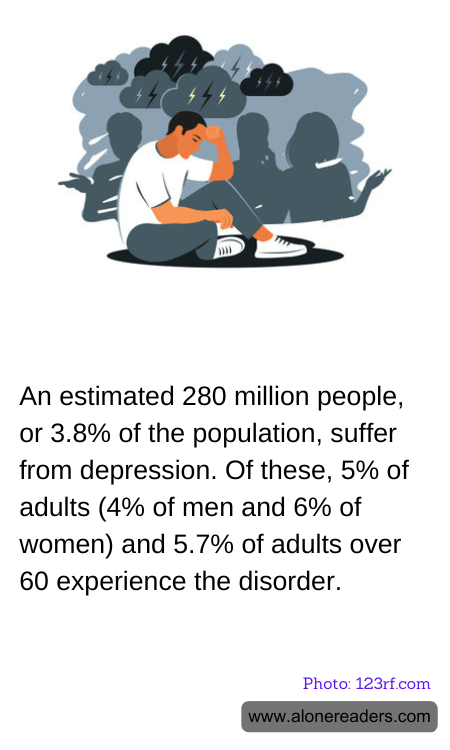
Depression is a pervasive mental health issue that affects an estimated 280 million people worldwide, representing about 3.8% of the global population. This statistic underscores the significant impact of depression on individuals and society at large. Despite its prevalence, depression often remains misunderstood, stigmatized, and inadequately addressed, which can exacerbate the challenges faced by those who suffer from it.
Among adults, approximately 5% experience depression, with a noticeable gender disparity: 4% of men and 6% of women are affected. This difference may be attributed to a variety of factors, including biological, hormonal, and social influences. Women, for instance, may experience depression related to hormonal changes during menstruation, pregnancy, and menopause. Additionally, societal pressures and gender roles can contribute to the higher incidence of depression among women. Men, on the other hand, may be less likely to seek help due to cultural norms that discourage emotional vulnerability, potentially leading to underreporting.
The prevalence of depression is not confined to younger adults; it also significantly impacts older populations. About 5.7% of adults over the age of 60 suffer from depression. This demographic may face unique challenges that contribute to their mental health struggles, such as the loss of loved ones, chronic health conditions, and increased isolation. The stigma surrounding mental health issues in older generations can further hinder their willingness to seek help, making it crucial to promote awareness and understanding across all age groups.
Addressing depression requires a multifaceted approach. Early intervention and access to mental health services are vital in managing the disorder. Psychotherapy, medication, and lifestyle changes, such as regular exercise and a healthy diet, can be effective in alleviating symptoms. Moreover, fostering open conversations about mental health can help reduce stigma and encourage individuals to seek the support they need.
Education plays a crucial role in combating depression. By raising awareness about the signs and symptoms of depression, individuals can better recognize when they or someone they know may need help. Schools, workplaces, and communities can implement programs that promote mental well-being and provide resources for those struggling with depression.
Ultimately, addressing depression on a global scale requires collaboration among healthcare providers, policymakers, and communities. By prioritizing mental health and ensuring that resources are accessible to all, we can work towards a future where individuals suffering from depression receive the care and support they need to lead fulfilling lives. As awareness grows, so too does the hope for a world where mental health is treated with the same urgency and compassion as physical health.
