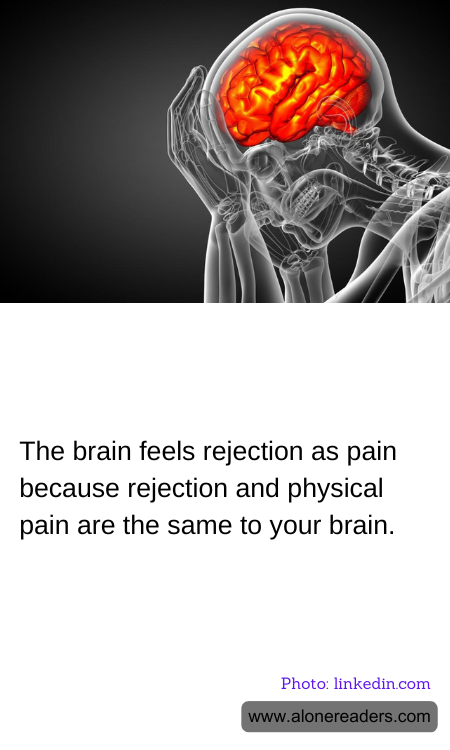
Rejection is an experience that everyone encounters at some point in life, whether it be in relationships, job applications, or social interactions. While it is often perceived as an emotional setback, scientific research reveals that the brain processes rejection in a manner strikingly similar to physical pain. This fascinating intersection between emotional and physical experiences underscores the profound impact rejection can have on our well-being.
The brain's response to rejection is rooted in its evolutionary design. Humans are inherently social creatures, and our survival historically depended on being part of a group. Being ostracized or rejected could have meant isolation, which posed significant threats to survival. As a result, the brain evolved to treat social rejection as a serious threat, akin to physical harm. This is why the emotional sting of rejection can feel as intense as a physical injury.
Neuroscientific studies have shown that the same areas of the brain that are activated during physical pain are also triggered during experiences of social rejection. The anterior cingulate cortex and the insula, regions associated with the emotional aspects of pain, light up in response to both physical injuries and social slights. This overlap suggests that the brain does not distinguish much between a broken bone and a broken heart.
Moreover, the pain of rejection is not just a fleeting sensation. It can have lasting effects on an individual's mental health, leading to feelings of worthlessness, anxiety, and depression. The brain's response to rejection can also influence behavior, prompting people to avoid situations where they might face further rejection. This can lead to social withdrawal and a reluctance to engage in new experiences, ultimately impacting one's quality of life.
Understanding the brain's response to rejection can help individuals develop healthier coping mechanisms. Recognizing that the pain of rejection is a natural, biological response can provide comfort and validation. It can also encourage people to seek support from friends, family, or mental health professionals, who can offer perspective and help build resilience.
In conclusion, the brain's treatment of rejection as a form of pain highlights the deep connection between our emotional and physical experiences. By acknowledging this connection, individuals can better navigate the challenges of rejection and foster a more compassionate understanding of themselves and others. Embracing this knowledge can lead to healthier relationships and a more fulfilling life, as we learn to manage the inevitable rejections that come our way with grace and resilience.
